Buying a Used Class A Motorhome: What to Know Before You Shop
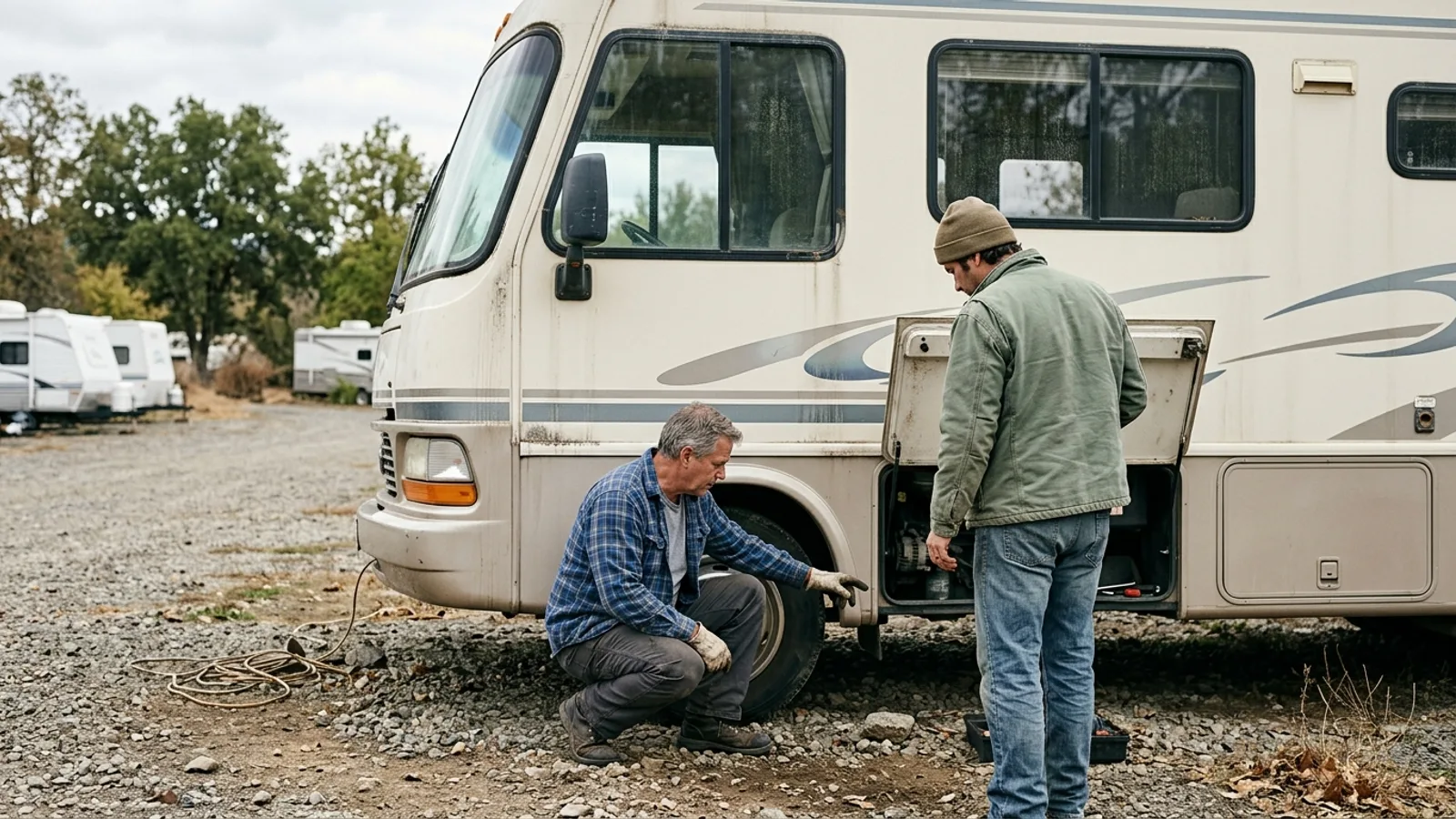
What a Class A Motorhome Is
A Class A motorhome is built on a heavy-duty chassis originally designed for buses or commercial trucks, which is why it looks like a large rectangular bus from the outside. This chassis gives it the most interior volume of any motorhome class, along with a flat, walk-through layout unlike the cab-over bunk found on Class C models.
Inside, you'll typically find a full kitchen, a separate bathroom, a dedicated bedroom, and a living area that can include a dinette or sofa. Many models add one or more slide-out sections that expand the width of the living space once the vehicle is parked.
Class A vs. Class C: The Practical Differences
Class C motorhomes are built on a van or truck chassis and are identifiable by the sleeping area that extends over the cab. They're generally shorter, easier to maneuver, and simpler for a first-time driver to get comfortable with.
Class A motorhomes trade some of that maneuverability for space. They offer more counter and storage room, larger holding tanks, and residential-style appliances in many floorplans. They also tend to have higher towing capacities, which matters if you plan to bring a car along.
Neither class is objectively better — the right choice depends on how much space you need, how comfortable you are driving a larger vehicle, and where you plan to park it.
Size and Layout Considerations
Class A motorhomes generally run from the low 30s to mid-40s in length, with matching width and height that can make them feel like a small apartment inside. That size buys you a full living area but also means:
- Fewer campsites will accommodate the longest models, especially in older or more rustic parks.
- Exterior storage bays are generous but can still fill up quickly with camping gear, tools, and outdoor furniture.
- Height clearance matters — always know your vehicle's exact height before driving under overpasses, parking structures, or low tree canopies.
- Slide-outs add interior space at camp but require clearance on both sides when extending, so site selection matters.
What Driving One Is Actually Like
Driving a Class A motorhome feels more like piloting a small bus than driving a car or pickup. The seating position is high, visibility is generally good, and the ride is often smoother than you'd expect because of the vehicle's weight and wheelbase. That said, a few things take adjustment:
- Stopping distances are longer, so following distance needs to increase accordingly.
- Turning radius is wide, and mirrors become essential for judging clearance on tight turns.
- Crosswinds affect a tall, flat-sided vehicle more noticeably than a car.
- Backing up requires practice, ideally with a spotter, since rear visibility is limited despite backup cameras.
In most states, no special license is required to drive a Class A motorhome for personal use, but it's worth confirming your state's specific rules before you buy, since requirements can vary by vehicle weight. Many new owners benefit from an RV-specific driving course or simply spending time practicing in an empty parking lot before heading out on the road.
Towing With a Class A Motorhome
Class A motorhomes typically offer the highest towing capacity of any motorhome class, which is one reason many owners tow a secondary vehicle — often called a "dinghy" — for getting around once camp is set up.
Actual towing capacity depends heavily on the specific chassis, engine, and drivetrain of the coach, so it's important to check the manufacturer's rated capacity for that exact model rather than assuming based on size alone. Diesel-powered coaches generally offer more towing capacity than gas-powered ones, though both can tow within their rated limits.
Common ways to tow a car behind a Class A include a tow bar (all four wheels on the ground), a tow dolly (front wheels off the ground), or a trailer (all four wheels off the ground). Each has different weight and vehicle compatibility considerations, so it's worth researching which method suits the car you want to bring along.
What to Check When Buying Used
Because a Class A motorhome is both a vehicle and a home, a used unit deserves inspection on two fronts.
- Mechanical condition: engine and transmission history, tire age and condition, brake condition, and chassis maintenance records.
- Living systems: roof and seal condition (a common source of water damage), plumbing and holding tank function, appliance operation, slide-out mechanisms, and any signs of past water intrusion around windows or the roofline.
- Documentation: maintenance records, any warranty that may still apply to major components, and a clear title history.
A pre-purchase inspection from a qualified RV technician is one of the most useful steps you can take, since water damage and chassis issues aren't always visible during a casual walkthrough.
Where a Class A Motorhome Fits Best
These motorhomes suit travelers who prioritize comfort and full-time or long-stretch living over tight, technical campsites. They do well in national and state park campgrounds with pull-through or larger back-in sites, full-hookup RV resorts, and highway-adjacent overnight stops. They're less suited to narrow forest roads, primitive sites with sharp turns, or campgrounds with strict length limits — so it's worth checking a park's size restrictions before booking a site.