How to Choose the Right Trailer Tires
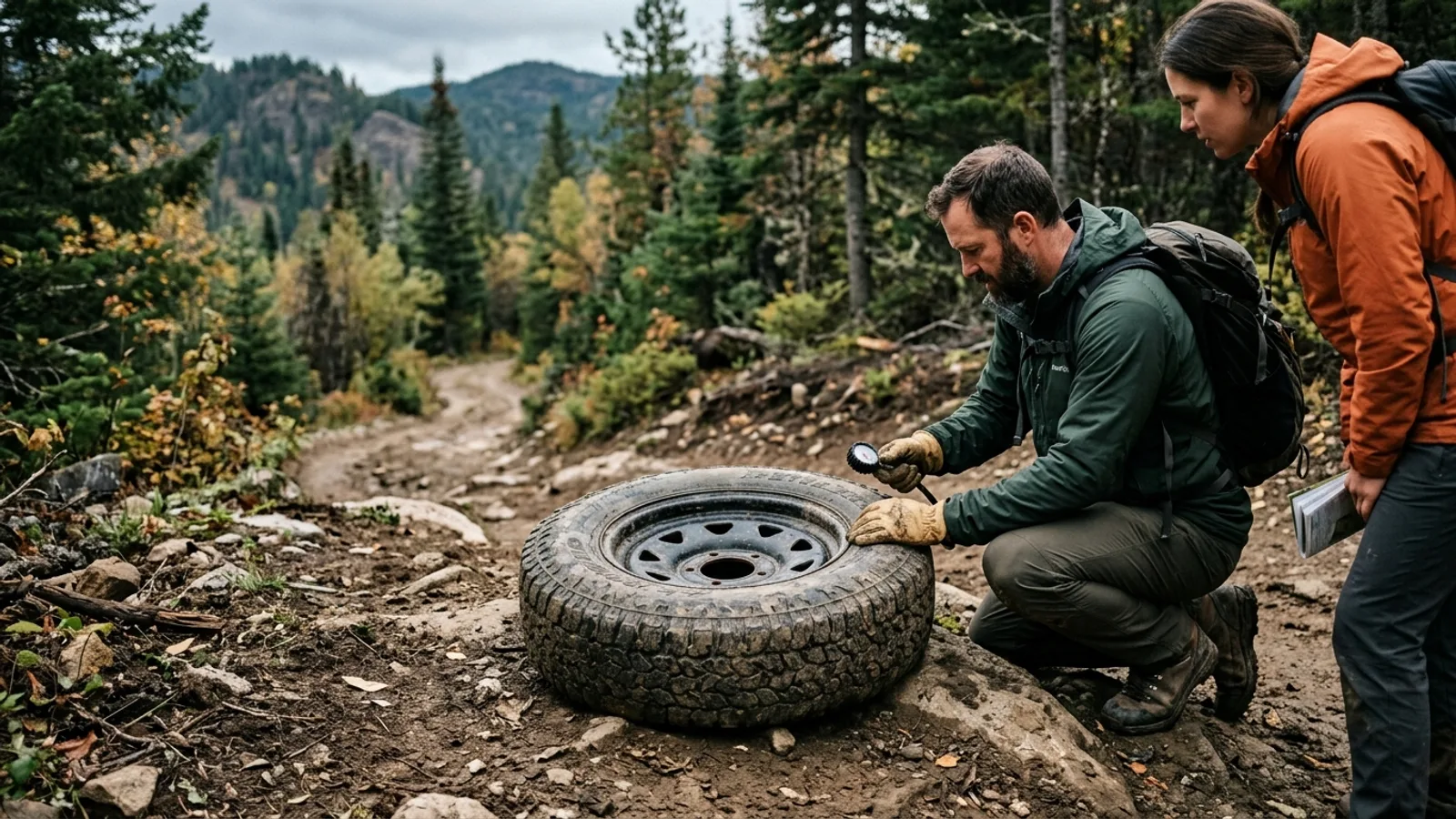
Trailer tires take a different kind of abuse than the tires on your tow vehicle. They carry heavy, mostly static loads, run at high pressure, and often sit unused for weeks or months between trips. Choosing the right ones — and maintaining them correctly — matters more for a trailer than for almost any other part of the setup.
Why Trailer Tires Are Different
Trailer tires are usually marked "ST" for Special Trailer, which distinguishes them from passenger (P) or light truck (LT) tires. ST tires are built with stiffer sidewalls and different internal construction because a trailer axle doesn't steer or drive — it only needs to carry weight and resist sway. Using a passenger or light-truck tire on a trailer, even if the size matches, is not a like-for-like substitution: the load-carrying design is different.
Because trailer tires spend so much time stationary, sitting in the sun, they age from UV exposure and ozone as much as from wear. A trailer tire can look fine tread-wise and still be unsafe if it's old, so age is as important as tread depth when deciding whether to replace one.
Load Capacity Comes First
Every tire has a maximum load rating stamped on the sidewall, along with a load range letter (such as C, D, or E) that corresponds to the tire's internal ply rating and the pressure needed to reach that capacity. To choose correctly:
- Add up the loaded weight of the trailer, not just its empty weight.
- Divide that total by the number of tires, then add a margin — running tires near their absolute maximum rating for every trip leaves no cushion for uneven loading or a slightly low tire.
- Check that the wheel (rim) is also rated for that load and matches the tire's bolt pattern and diameter; a tire's rating means nothing if the wheel underneath it isn't rated to match.
If you're ever unsure how much your loaded trailer actually weighs, a public scale can give you a real number instead of an estimate.
Getting the Size Right
Trailer tire sizes are printed as a code (for example, a size that includes width, aspect ratio, and wheel diameter) and should match what the trailer manufacturer specifies, not just whatever fits the wheel opening. Changing tire diameter changes the effective gearing of the axle and can affect ride height, fender clearance, and how the trailer sits behind the tow vehicle. When in doubt, replace like with like unless you're deliberately upgrading load range and have confirmed the new tire and wheel are compatible.
Tread Design and Ride Considerations
Unlike a drive tire, a trailer tire doesn't need aggressive tread for traction — the tow vehicle does the driving. Most trailer-specific tires use a simpler rib or block pattern designed to resist irregular wear and handle side loads during cornering and crosswinds, rather than to bite into mud or snow. If your trailer regularly travels unpaved or rough roads, look for a tire described for that kind of use, but don't assume a more aggressive tread automatically means a better trailer tire — smooth, even wear and heat resistance matter more for long highway hauls.
Durability and Construction
Trailer tires are generally built as either bias-ply or radial. Radials tend to run cooler and last longer under sustained highway speeds, which is where most trailer tire failures happen; bias-ply tires have stiffer sidewalls, which some heavier-duty or off-road trailers benefit from. Either can be appropriate depending on how and where the trailer is used, but check that all tires on a trailer are the same construction type and similar in size — mixing radial and bias-ply on the same axle can cause handling problems.
Inspection and Maintenance
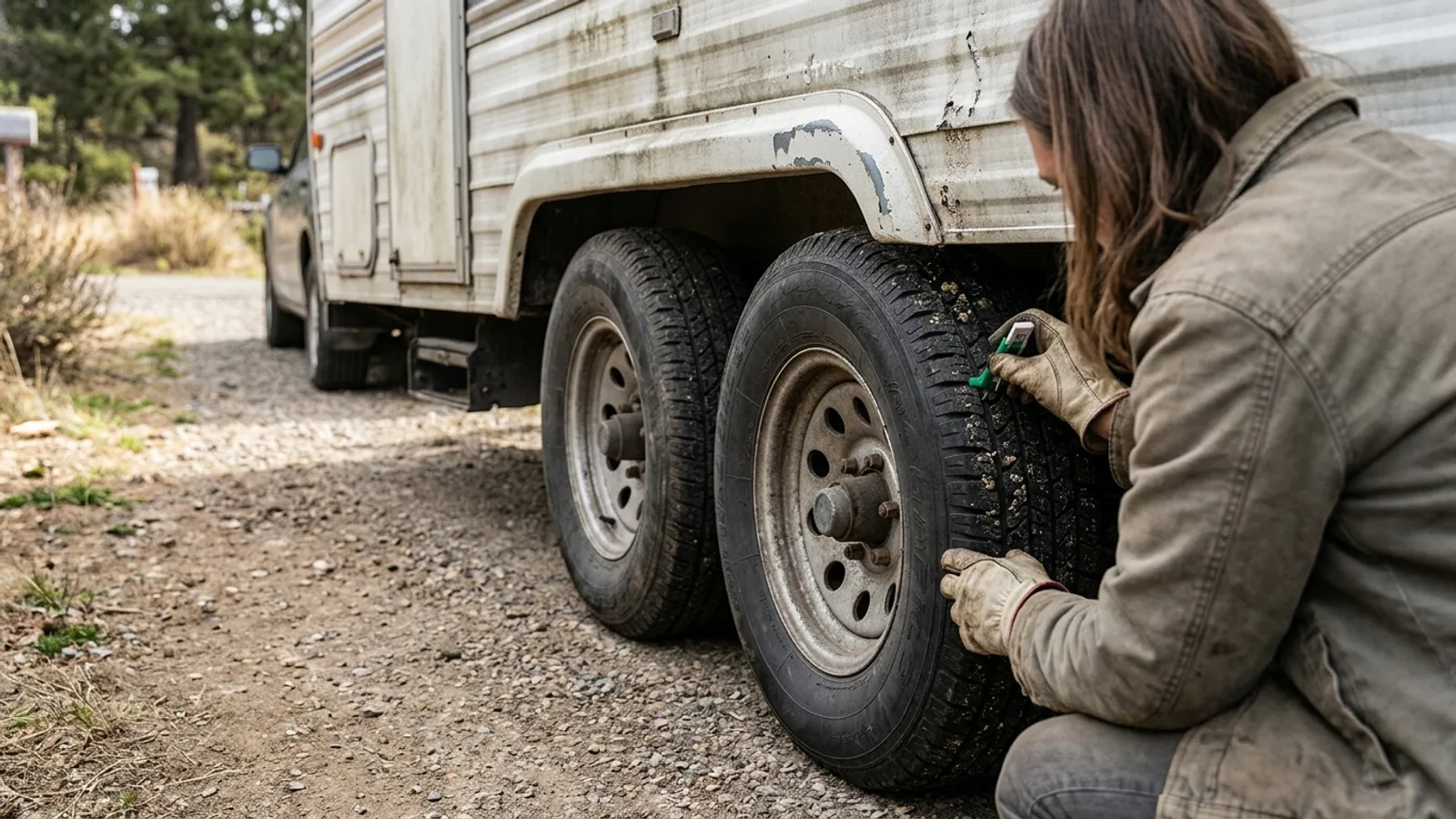
- Check pressure cold, before towing, and inflate to the pressure listed on the tire's sidewall for its load range, not a generic number.
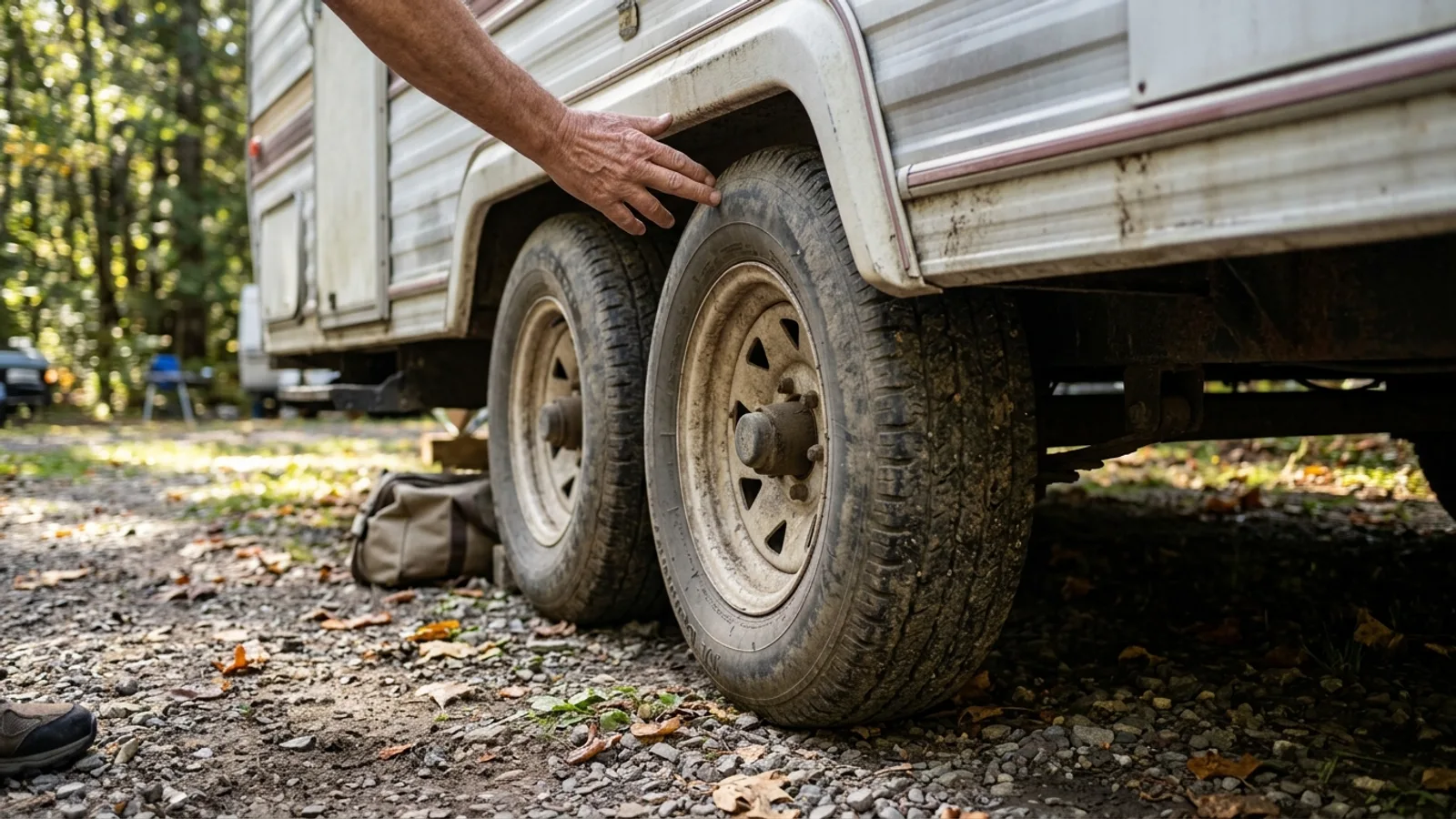
- Inspect sidewalls for cracking even if tread looks fine — sun and ozone damage often shows up as fine cracks well before the tread wears down.
- Watch for uneven wear, which can indicate an alignment issue, a bent axle, or a tire running underinflated.
- Replace tires based on age as well as tread, since a trailer that's towed only occasionally can wear out tires from age before they ever wear out from mileage.
- Carry a properly inflated spare and the tools to change it — trailer tire failures often happen with no warning, and a spare is far more useful than a warranty claim after the fact.
Buying Tips
- Buy tires in matched sets when possible, especially for tandem-axle trailers, so wear and diameter stay consistent across the axle.
- Confirm the load range and size against your trailer's data plate or owner's manual rather than against the tire currently mounted, since a previous owner may have already downgraded or mismatched tires.
- If a listing doesn't state a manufacture date, ask before buying — trailer tires can sit in warehouse storage for a long time before sale, and a "new" tire can already be several years into its usable life.