Swamp Coolers for RVs: How They Work and How to Choose One
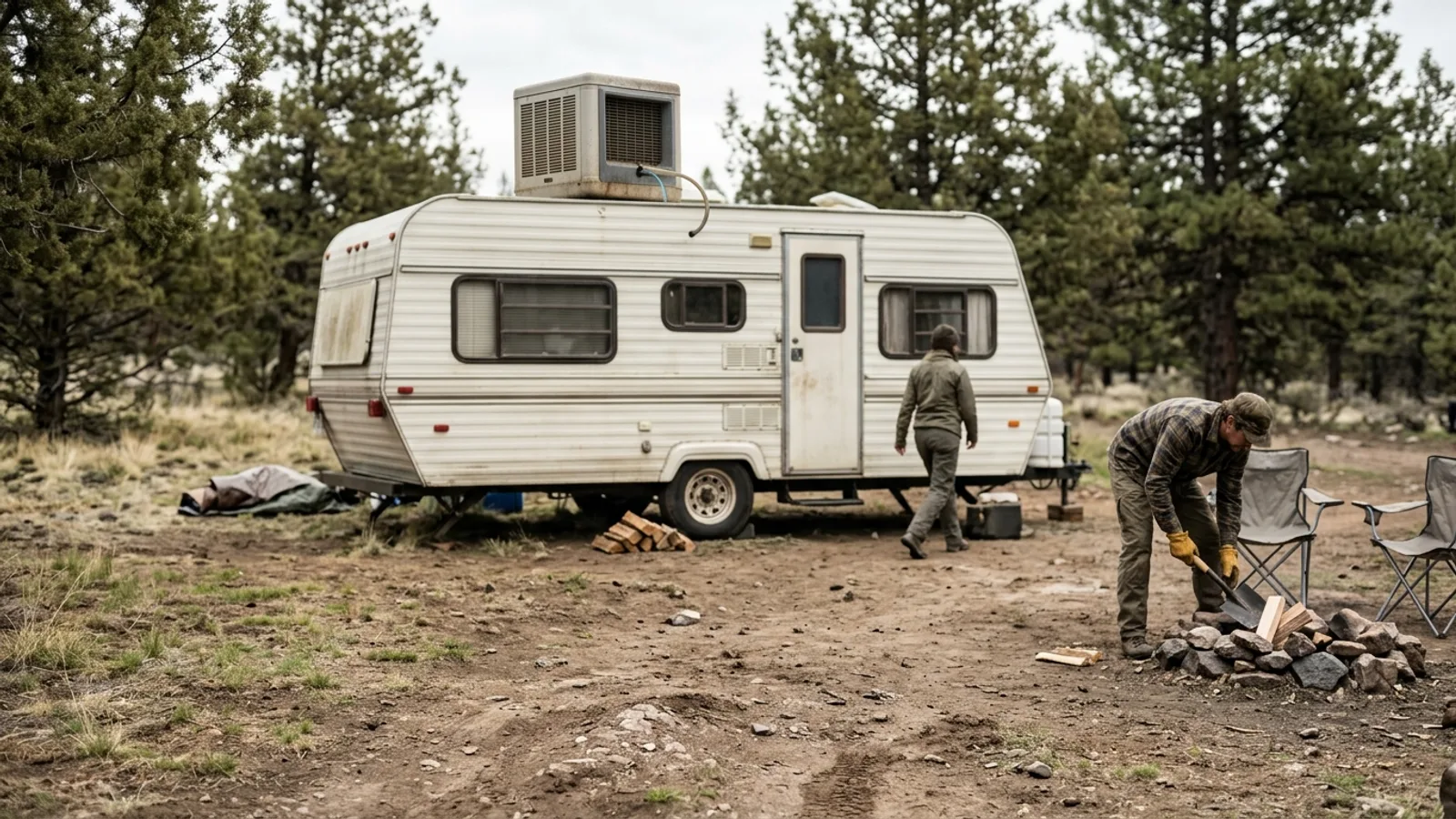
How a Swamp Cooler Works
An evaporative cooler, often called a swamp cooler, pulls warm air through a water-saturated pad. As the water evaporates, it absorbs heat from the air, and a fan pushes the cooled, more humid air back out into the room. There's no refrigerant or compressor involved, which is why these units tend to be smaller, lighter, and simpler than a standard air conditioner.
Because the cooling effect depends on evaporation, these units work best in hot, dry climates. In humid conditions, the air is already holding a lot of moisture, so less water can evaporate and the cooling effect drops off noticeably. Some units will do little more than blow humid air around if used in a muggy environment.
Is a Swamp Cooler Right for Your RV?
Swamp coolers suit RVers who spend time in arid regions — high desert, inland valleys, or dry mountain climates — where nights cool off and daytime humidity stays low. They generally draw far less power than a rooftop air conditioner, which makes them appealing for boondocking or running off a modest battery-and-solar setup.
They are a poor match for coastal areas, the Southeast, or any trip through humid summer weather. If your travels take you through a mix of climates, treat a swamp cooler as a supplement to airflow and shade rather than a replacement for air conditioning.
Ventilation matters more with evaporative cooling than with a sealed AC system. These units add moisture to the air, so a window, vent, or roof fan needs to stay open to let humid air escape. Running one in a fully closed-up RV will raise humidity indoors and can lead to condensation on windows and surfaces.
Sizing and Capacity
Manufacturers typically rate coolers by airflow (cubic feet per minute) and by the square footage they're designed to cover. Match the rating to the actual living space you want to cool, not the overall length of your RV — a unit sized for a small bedroom won't keep up with an open-concept living area.
Bigger tanks mean longer run times between refills, but they also add weight and bulk, which matters in a space-constrained RV. A tank that lasts an entire night without needing a refill is worth prioritizing if you plan to run the cooler while sleeping.
Noise and Where You'll Run It
You'll be living in close quarters with this appliance, so noise output deserves real weight in your decision. Units with multiple fan speeds let you dial down noise for sleeping and turn up cooling power during the day. If a model advertises a sleep mode or timer, that's a sign the manufacturer designed it with overnight use in mind.
Portability and Power Use
Look for a handle, manageable weight, and a footprint that fits your available floor or counter space. Some models are meant to sit in one spot near a window or vent; others are built to be moved from room to room or even used outside under an awning.
Evaporative coolers generally use much less electricity than compressor-based air conditioners, which is their biggest advantage for off-grid RV use. Actual draw varies by fan speed and model, so check the wattage rating rather than assuming all swamp coolers use roughly the same amount of power.
Maintenance Basics
Empty and dry out the water tank between uses when possible, especially if the RV will sit unused for a while — standing water can grow mold or develop odors. Cooling pads and filters should be rinsed or replaced periodically, since mineral buildup and grime reduce airflow and cooling efficiency over time. If you're using tap water with a high mineral content, expect to clean the pad more often.
Practical Tips for the Road
- Fill the tank with cool water before you need the cooler running; it reaches full effectiveness faster than starting with warm water.
- Position the unit so it draws in outside air rather than recirculating air that's already been cooled and humidified.
- Pair the cooler with cross-ventilation — an open window opposite the unit helps push humid air out rather than letting it build up inside.
- In shoulder-season humidity, use the cooler in fan-only mode to keep airflow moving without adding extra moisture.