Choosing and Preparing a Vehicle for Overlanding
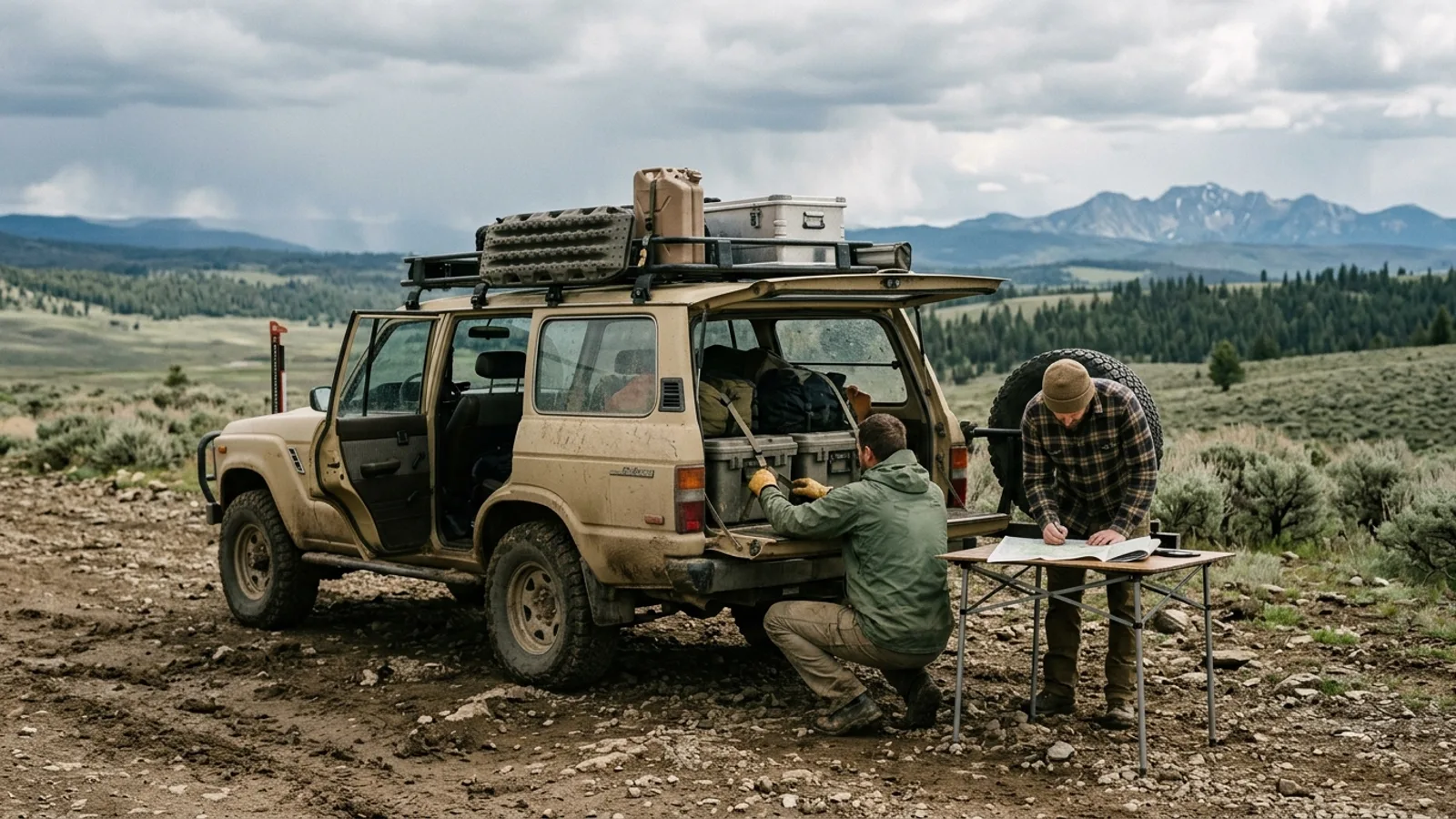
What Overlanding Actually Requires
Overlanding is self-supported travel by vehicle, usually over multiple days, into places where services and pavement run out. The point is the route and the camping along the way, not just reaching a destination. That changes what you need from a vehicle: it has to carry you, your gear, your water, and your shelter over rough ground and bring you back out again without outside help.
Because of that, vehicle choice matters more than it does for a normal road trip. The right rig won't rescue a poor plan, but the wrong one can turn a manageable trail into a serious problem.
What Makes a Vehicle Suited to Overlanding
Off-Road Capability
Four-wheel drive or all-wheel drive, meaningful ground clearance, and tires matched to the terrain you'll actually drive are the basics. Skid plates protect the underside from rocks and ruts. A locking differential helps when one wheel loses traction, but it's not a requirement for every trip — match the vehicle's capability to the terrain you actually plan to run, not to the hardest trail you can imagine.
Storage and Layout
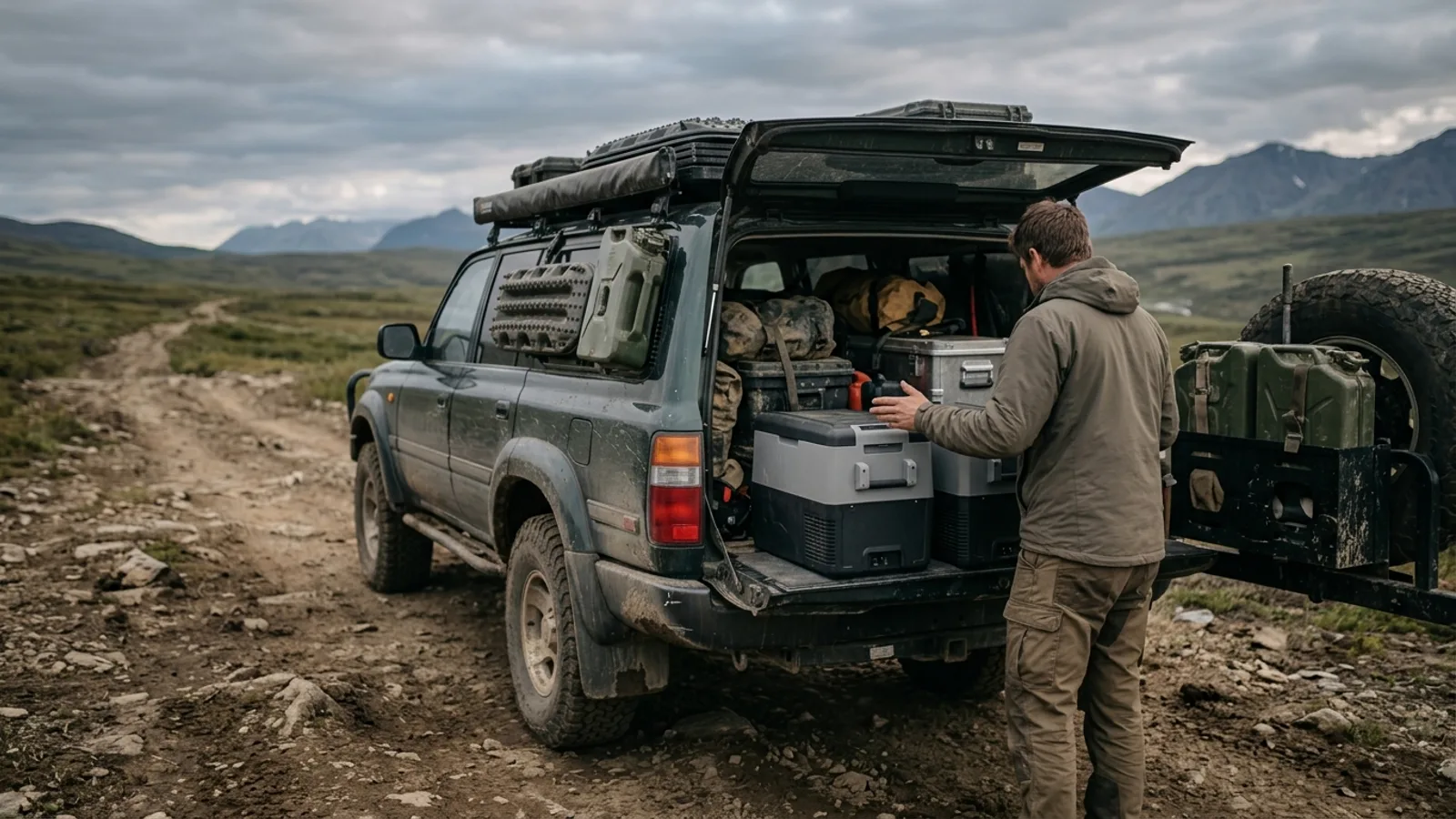
Long trips mean carrying food, water, tools, recovery gear, and sleeping equipment for days at a time. Vehicles that accept roof racks, drawer systems, or simple interior organization make it far easier to keep gear secure and find what you need without unpacking everything. Think about where wet, dirty, or flammable items will live before you leave, not after.
Fuel Range
Remote routes can mean long stretches between fuel stops. Know your vehicle's real-world range under load and in low gear, not just its rated figure, and plan refueling points before you commit to a route. Carrying extra fuel is sometimes reasonable, but it adds weight and needs to be stored and secured properly.
Common Vehicle Categories
SUVs and Crossovers
Mid-size SUVs with four-wheel drive strike a balance between everyday drivability and off-road ability. They're a practical choice for travelers who want one vehicle for both daily use and weekend trips, though cargo space and payload are more limited than trucks or vans.
Trucks and Pickups
A truck bed offers flexible cargo space and, often, higher payload and towing capacity, which matters if you're carrying a rooftop tent, a bed-mounted camper, or a trailer. The tradeoff is a longer wheelbase, which can matter on tight switchbacks.
Vans and Campervans
A van consolidates sleeping, cooking, and storage into one enclosed space, which is useful in bad weather and for longer trips. Off-road capability varies a lot by model and drivetrain, so it's worth being honest about the terrain you'll actually cover before assuming a van can go anywhere a truck can.
There's no single best category — the right choice depends on group size, the terrain you'll cover most often, and how much you're willing to compromise everyday comfort for capability, or the reverse.
Practical Upgrades Worth Considering
Roof Racks and Storage
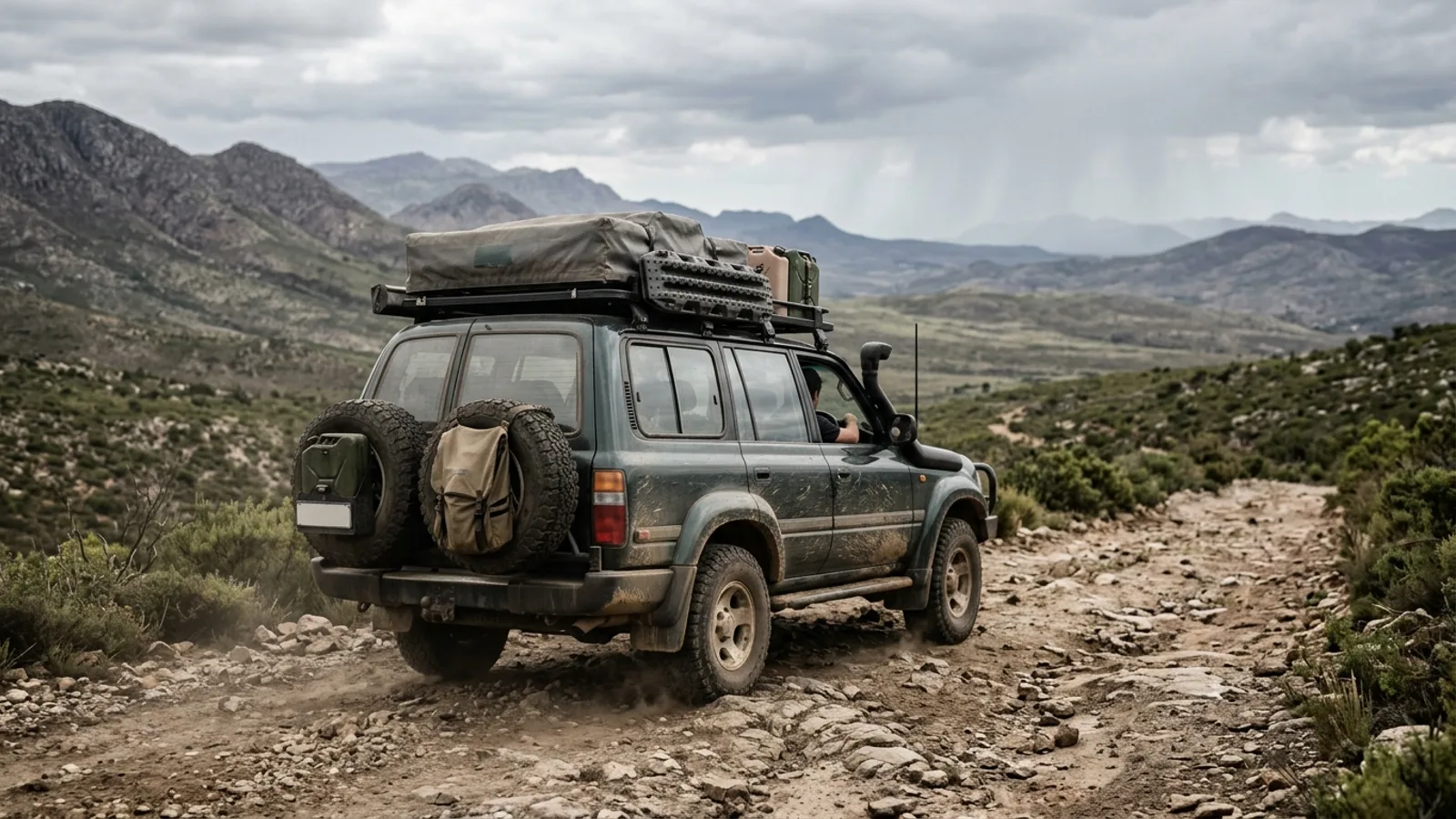
A roof rack frees up interior space for gear that needs to stay dry or secure, and it's a reasonable place for bulky, lightweight items like recovery boards or a rooftop tent. Keep an eye on total roof load limits — they're lower than most people expect — and secure everything with straps or a cargo net rated for the weight.
Suspension
Heavier loads and rough terrain put more strain on a stock suspension than daily driving does. Upgraded shocks improve control on washboard and rocky trail, while heavier-duty springs help prevent sag when the vehicle is loaded with gear and water. Any suspension change should be matched to the actual weight you'll be carrying, not just the biggest lift available.
Communication and Navigation
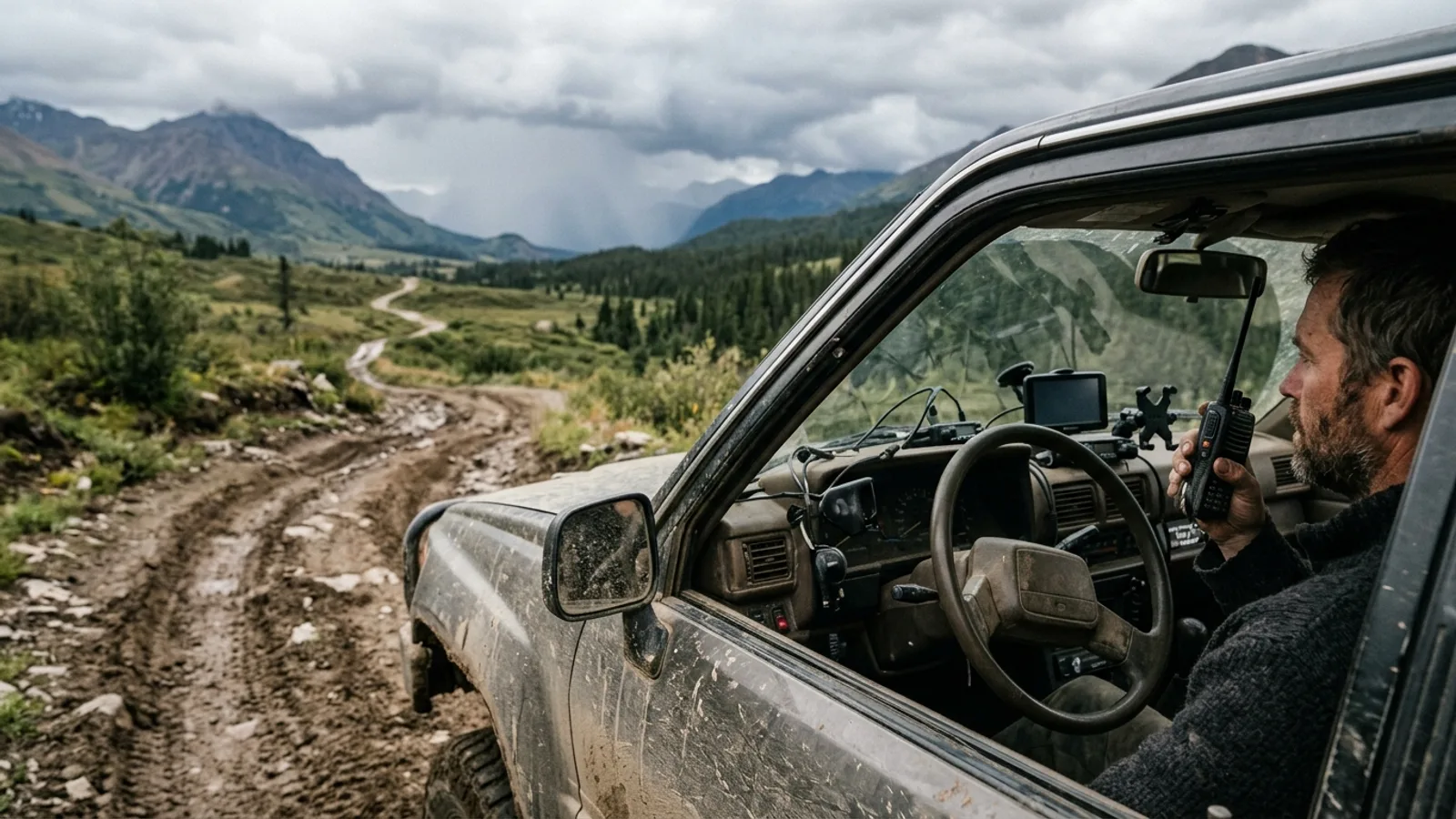
Cell service disappears quickly outside of towns. A GPS unit with offline maps, a printed map as backup, and some form of satellite communicator or emergency beacon cover most situations where you'd otherwise have no way to call for help. Two-way radios are useful for staying in contact with other vehicles in a group traveling the same route.
Keeping the Vehicle Reliable
Before any remote trip, check fluids, tire condition and pressure, brakes, and battery health. Small problems are far easier to deal with in a driveway than on a trail with no cell signal.
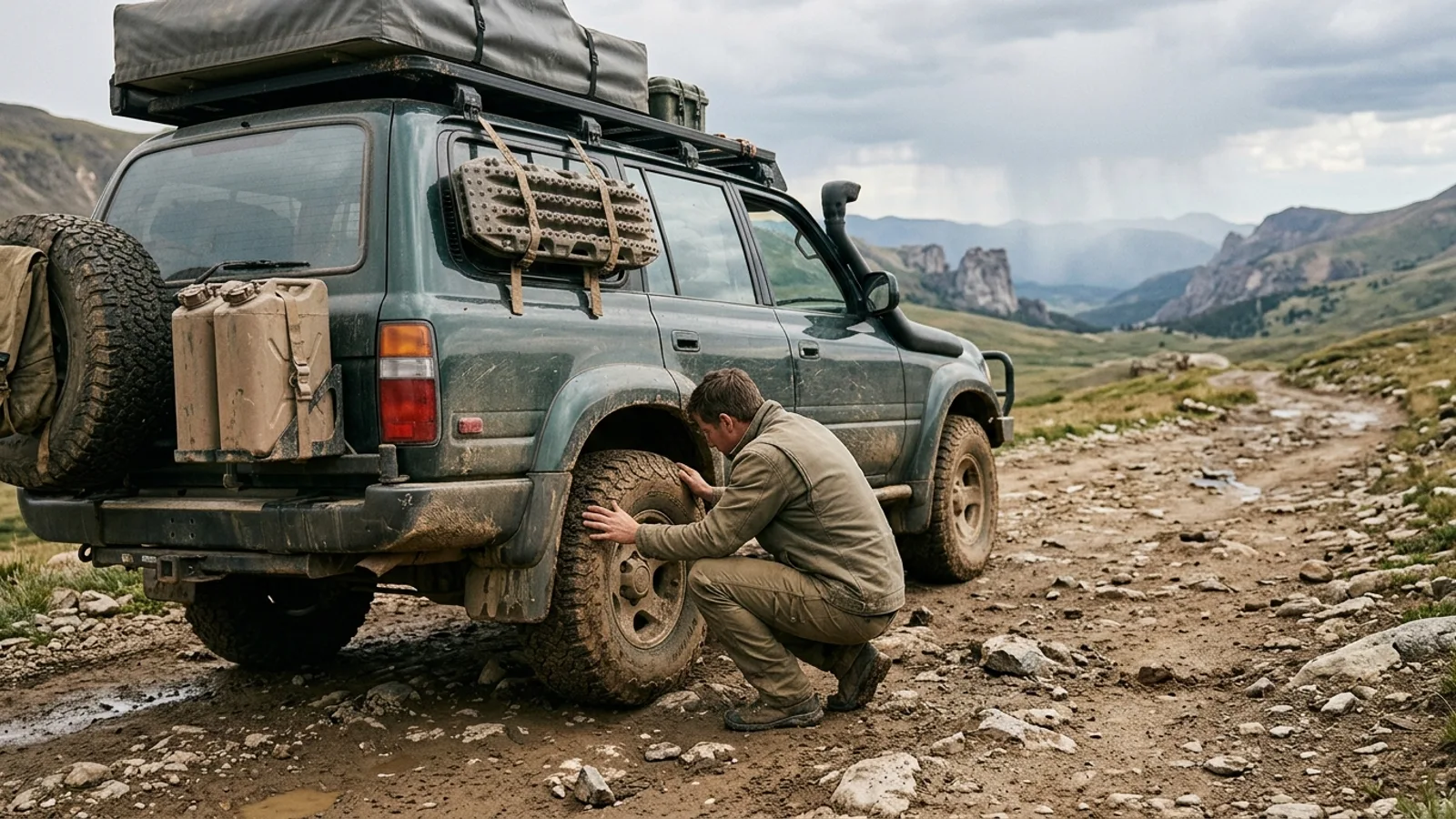
Carry basic tools, a tire repair kit, a spare tire in good condition, and any fluids specific to your vehicle. Know how to change a tire and check your own fluid levels — those are the most common roadside issues, and self-sufficiency is the whole premise of overlanding.
Keep a record of your maintenance intervals and stick to them more closely than you would for ordinary driving. Rough terrain accelerates wear on tires, suspension components, and undercarriage parts.
Trip Planning and Responsible Travel
Share your route and expected return with someone who isn't on the trip. Check current conditions and any access restrictions for the area before you go, since roads and trail status can change with weather and season.
Carry enough water, food, and warm layers to handle a delay of at least a day beyond your plan. Pack a basic first aid kit and know how to use it for common trail injuries.
Stay on established roads and designated routes, pack out everything you bring in, and camp in areas already impacted rather than creating new clearings. Leave-no-trace practices matter more in remote backcountry, where recovery from damage is slower and help is farther away.
The most reliable overlanding setups aren't the most expensive ones — they're the ones matched honestly to the terrain, the group, and the trip actually being planned.