How to Keep an RV Cool in Hot Weather
Choose Your Site With Heat in Mind
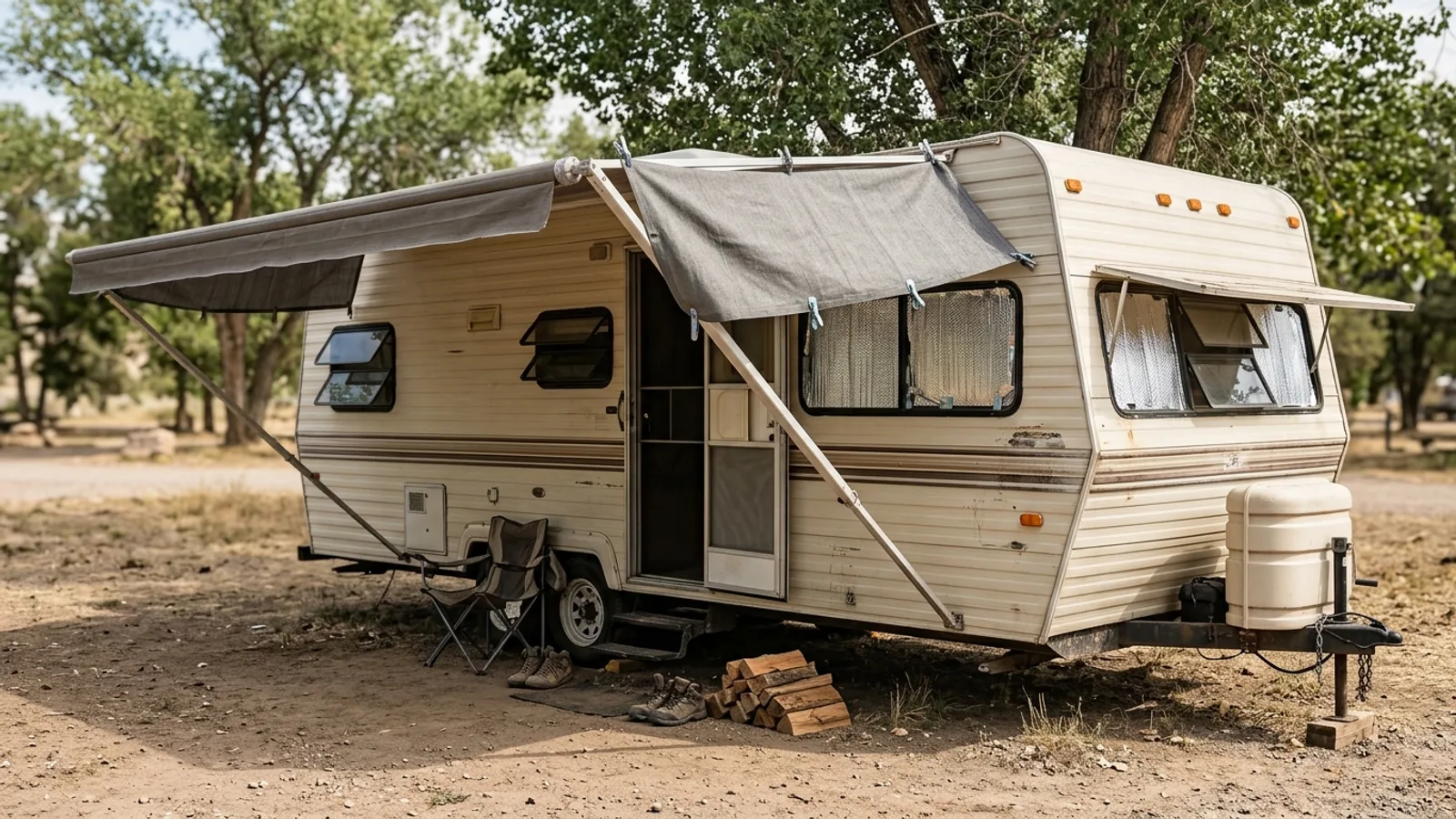
Where you park matters more than almost anything else. Look for a site with shade during the afternoon hours, when heat builds fastest. Shade from deciduous trees is ideal because it blocks direct sun while still allowing airflow underneath.
Pay attention to the sun's path, not just the shade at the moment you arrive. A spot shaded in the morning can be in full sun by early afternoon. If you can, walk the site and picture where shadows will fall a few hours later, or ask a campground host which sites hold shade longest.
Orienting the RV so its narrow end faces the afternoon sun reduces the surface area exposed to direct heat. If a breeze is present, positioning doors and windows to catch it can help with passive cooling as well.
Build Your Own Shade
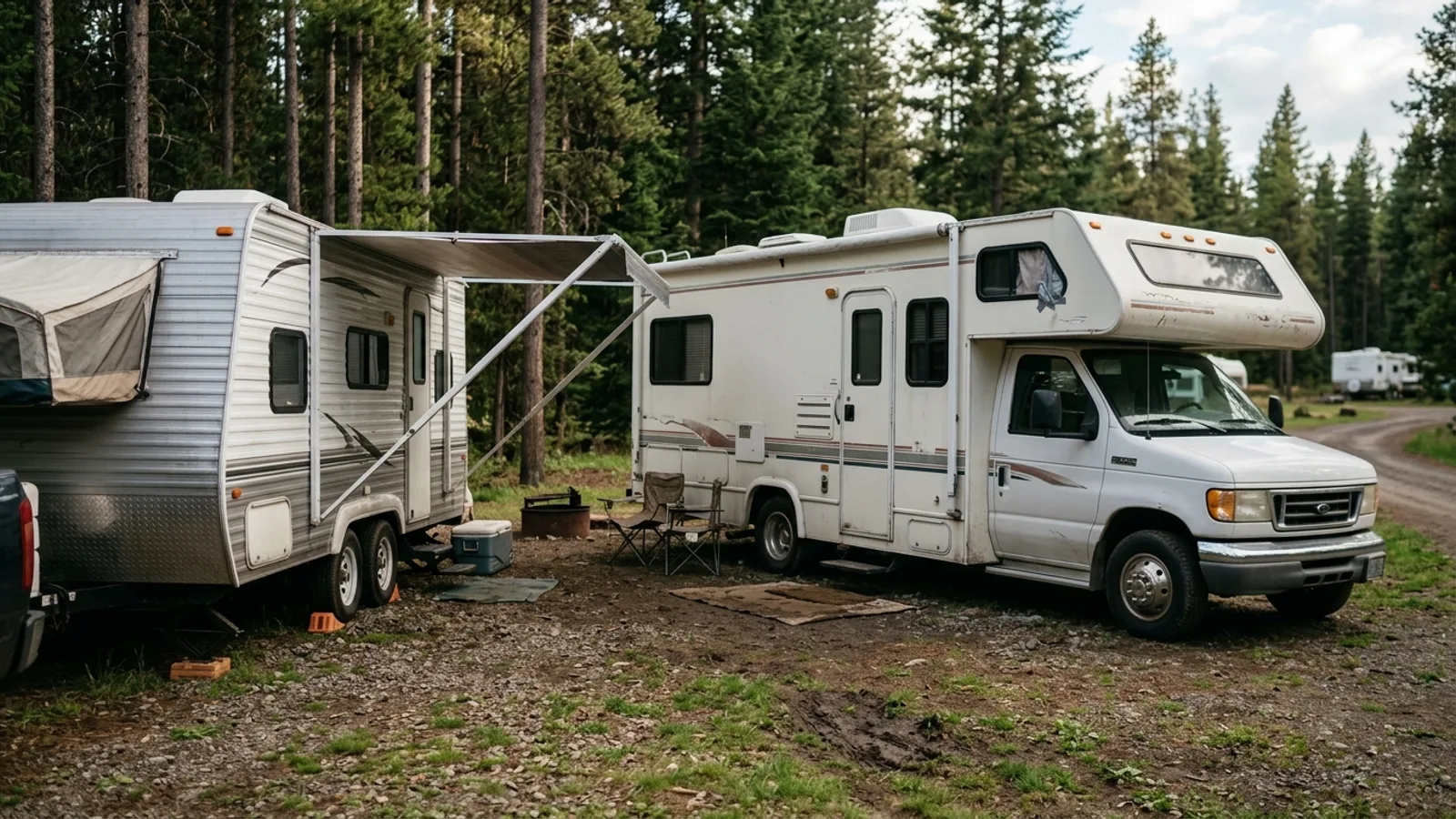
An awning is the simplest tool for this. Extending it during the day blocks a large amount of direct sun from hitting the side of the vehicle and keeps the ground and entryway cooler too.
Where natural shade or awning coverage isn't enough, a tarp or reflective sunshade rigged above the roof or over windows adds another layer of protection. Secure it well; wind can turn a tarp into a hazard quickly, so check knots and stakes regularly and take it down if wind picks up.
Reflective windshield shades and side-window covers are inexpensive, reusable, and make a noticeable difference in cab and cockpit temperature.
Work With Airflow, Not Against It
Warm air rises and moves toward open exits, so cross-ventilation is one of the most effective free cooling tools available. Opening windows on opposite sides of the RV, ideally with one lower and one higher, encourages a natural flow of air through the living space.
Roof vents with built-in fans are especially useful because they pull hot air out from the ceiling, where it collects, and can be run even when you're away as long as there's no rain in the forecast.
Use window screens whenever windows are open to keep insects and debris out while still allowing air to move freely.
Portable or clip-on fans help move air within the space, breaking up hot spots and improving comfort even before the temperature itself changes. Battery or rechargeable fans give you flexibility since they don't depend on shore power.
Good airflow does more than cool the air: it also reduces moisture buildup, which helps prevent condensation and mildew inside the RV over time.
Manage Heat Coming Through the Windows
Windows are one of the biggest sources of heat gain in any RV. Reflective window coverings, insulated curtains, or foam board cut to fit specific windows all reduce the amount of solar heat entering the cabin.
Apply coverings to the sides of the RV that face the sun for the longest stretch of the day, typically south- and west-facing windows in the afternoon. Removing or repositioning them as the sun moves can keep the interior more comfortable without sacrificing natural light entirely.
Keep Your Cooling Systems Working Efficiently
If your RV has an air conditioner, clean or replace its air filter regularly. A clogged filter forces the unit to work harder and cool less effectively.
Check the refrigerator's exterior vent periodically for dust, insect nests, or other blockages. Poor ventilation there can make the fridge work harder and raise the surrounding temperature inside cabinets and walls.
Swapping incandescent bulbs for LED lighting reduces the amount of heat given off inside the living space, which matters more than it might seem in a small, enclosed area.
If you're considering a portable or mounted evaporative cooler as a supplement to (or replacement for) an air conditioner, keep in mind it performs best in dry climates and depends on a steady supply of water and ventilation to work properly.
Cook Outside When You Can
Stovetops and ovens add heat and humidity to an already warm interior. Cooking outdoors on a portable grill, camp stove, or open fire keeps that heat out of the living space entirely.
Simple, low-effort meals work well in hot weather: skewers, foil packet meals, and one-pot dishes all minimize both cooking time and cleanup. Choosing lighter meals that don't require prolonged cooking also reduces the amount of time you're standing over heat in warm conditions.
A Few Final Practices
- Run vent fans and ceiling fans in the early morning to push out overnight humidity before the day heats up.
- Close blinds and shades on the sun-facing side as soon as direct light hits them, rather than waiting until the interior feels warm.
- Limit the use of heat-generating appliances during the hottest hours of the day.
- Check weather and shade patterns before choosing a site for an extended stay, since conditions can shift with the season.
None of these steps depend on any single piece of equipment. Used together, they reduce how much heat gets into the RV in the first place, which is always more effective than trying to cool it back down afterward.