How to Dress for Camping: A Practical Layering Guide
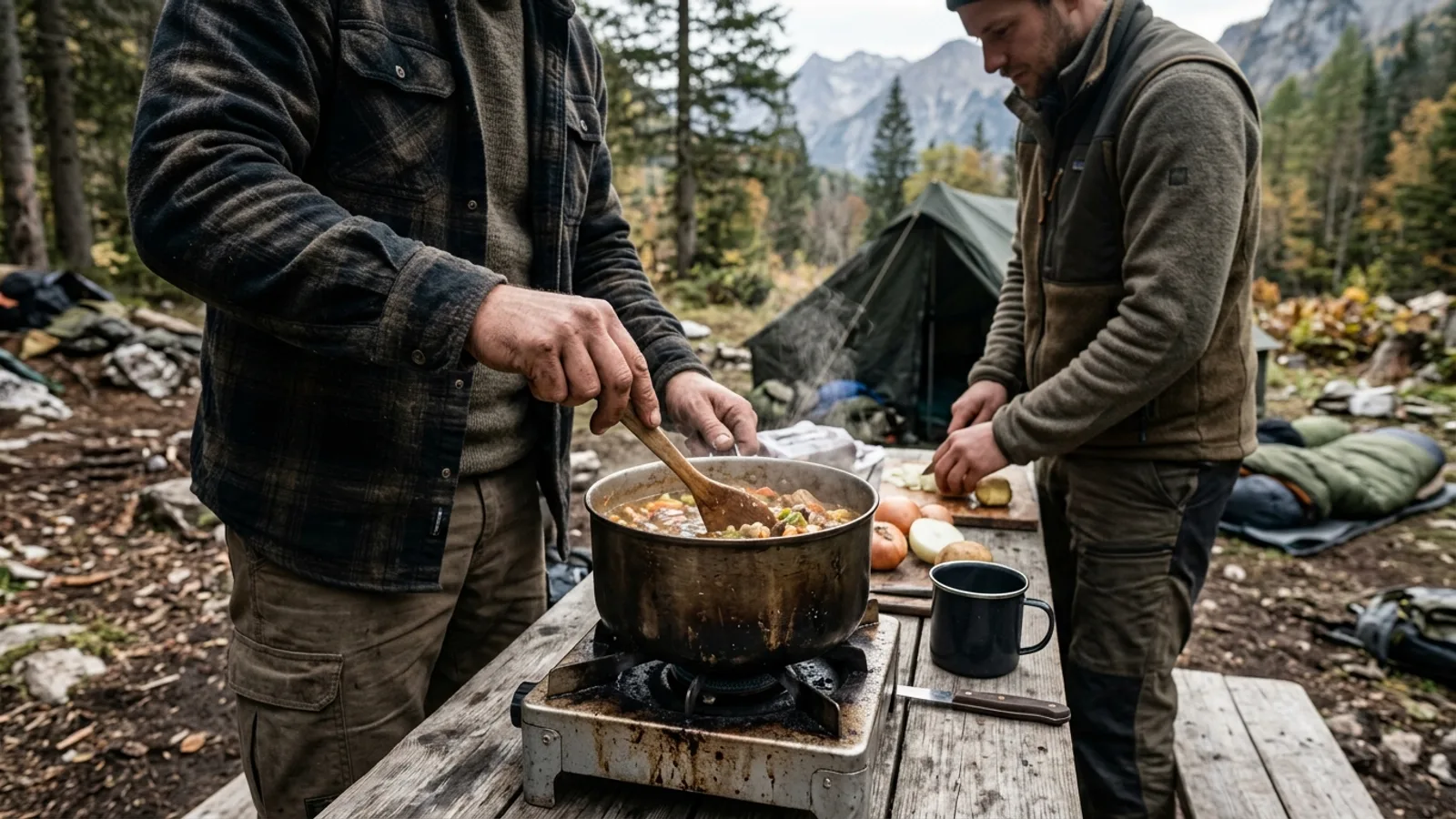
Why Clothing Choices Matter More Than You Think
Weather at a campsite rarely matches the forecast for the nearest town, especially near elevation changes, water, or open fields. Temperatures can swing 20 to 30 degrees between afternoon and early morning even in summer. The clothing you bring determines whether those swings are a minor inconvenience or the reason you cut a trip short.
Good camping clothing is less about a specific look and more about managing three things: temperature, moisture, and durability. Get those right and almost any outfit works.
The Layering System
Layering is the single most useful concept in outdoor dressing. Instead of one heavy garment, you wear several lighter ones that you can add or remove as conditions change.
- Base layer: sits against your skin and manages sweat. Synthetic fabrics or wool move moisture away from your body; cotton holds moisture and dries slowly, which makes it a poor choice for a base layer in cool or wet conditions.
- Mid layer: traps warmth. Fleece, wool sweaters, or insulated jackets work well here.
- Outer layer: blocks wind and rain. A waterproof or water-resistant shell protects everything underneath.
The system works because you can strip down while hiking to avoid overheating, then rebuild the layers as the sun drops. Pack for the coldest and wettest moment you might realistically encounter, not just the daytime high.
Fabric Choices That Hold Up Outdoors
Synthetic fabrics such as polyester and nylon dry quickly and continue to insulate somewhat even when damp. Wool shares that advantage and also resists picking up odor, which matters on multi-day trips. Cotton is comfortable in warm, dry weather but becomes a liability once it's wet, since it stays cold and heavy against the skin.
For durability, look at construction rather than brand: reinforced seams, double-stitched knees and seats, and ripstop fabrics all hold up better to scrambling over rocks, sitting on rough ground, or brushing past branches.
Dressing by Season
Spring
Expect variability. Mornings can be cold and damp while afternoons turn warm. Pack a moisture-wicking base layer, a mid layer you can shed easily, and a waterproof shell, since spring rain is common in most regions. Waterproof footwear helps with muddy trails.
Summer
Loose, breathable, light-colored clothing keeps you cooler than tight or dark fabrics. A wide-brimmed hat and sun-protective long sleeves reduce sunburn risk better than sunscreen alone, especially on long days outside. Keep a light rain shell packed even on clear forecasts, since afternoon storms are common in many regions during warmer months.
Fall
This is peak layering season. Daytime highs can still feel mild while nights drop sharply. A fleece or insulated mid layer, a warm hat, and gloves for early mornings make a noticeable difference. Bring a shell for wind as much as for rain.
Winter
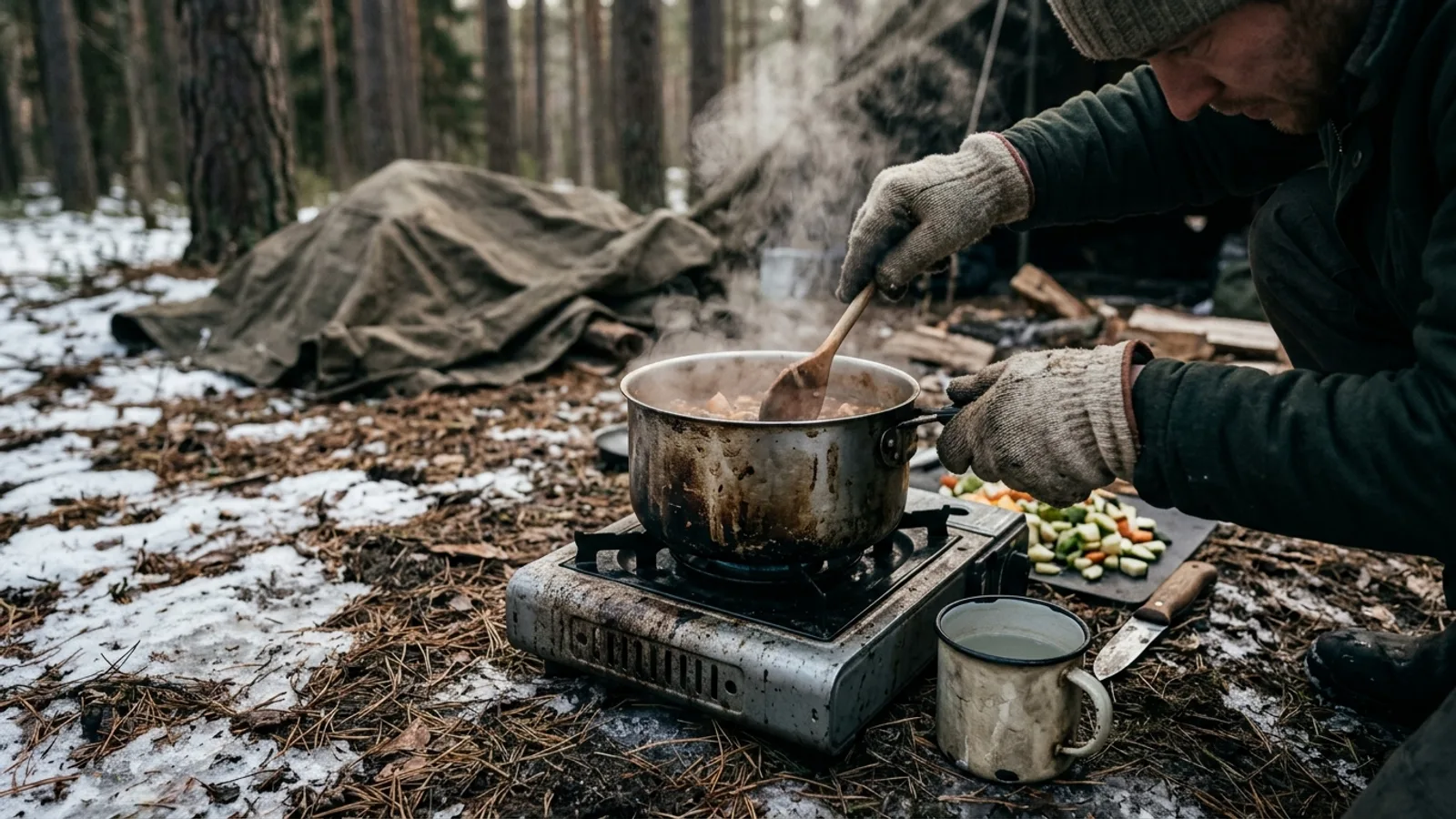
Insulation and wind protection become the priority. A warm base layer, a heavier mid layer such as wool or synthetic insulation, and a windproof, waterproof outer shell are the core of a winter setup. Cover extremities well: a warm hat, insulated gloves, and wool or synthetic socks matter as much as the coat itself, since heat loss through the head, hands, and feet is disproportionate to their size.
Footwear
Footwear deserves as much thought as clothing. Choose shoes or boots matched to the terrain: trail runners or light hikers for easy, dry trails, and stiffer waterproof boots with ankle support for rocky, wet, or uneven ground. Break in new boots before a trip; blisters from stiff, unworn footwear are one of the most common camping complaints.
Pack extra socks. Wet or dirty socks are a leading cause of foot discomfort, and dry ones are one of the easiest ways to reset your comfort mid-trip.
Sun and Insect Protection
Covering skin with lightweight long sleeves and pants often protects better against both sun and insects than repellents or sunscreen alone, since fabric doesn't wear off or need reapplying. Neutral, muted colors attract fewer insects than bright or floral patterns. Unscented products are also less likely to draw the attention of bugs, and in bear country, they reduce the range at which wildlife might notice you.
Keeping Clothes Dry and Organized
Moisture is the main enemy of a comfortable camping trip. Pack clothes in waterproof stuff sacks or heavy resealable bags, separating clean items from worn ones. Set aside one dedicated outfit for sleeping and keep it dry no matter what happens during the day; crawling into a damp sleeping bag because your only dry clothes got wet is avoidable with this simple habit.
If you're camping for several days, plan for laundering or airing out clothes rather than packing an entirely fresh outfit for every day. Hanging damp clothing in the sun or near airflow during the day speeds drying and prevents mildew smells from setting in.
A Simple Packing Checklist
- Moisture-wicking base layers (top and bottom)
- Insulating mid layer (fleece, wool, or synthetic insulation)
- Waterproof, breathable outer shell
- Extra socks and underwear
- Sun hat or warm hat, depending on season
- Gloves for cool mornings or cold conditions
- Sturdy, broken-in footwear suited to the terrain
- Sleepwear kept separate from daytime clothes
- Rain jacket, even if the forecast looks clear
- Waterproof bags or dry sacks for organizing clean and dirty clothes
Final Thought
There's no single perfect camping outfit, only a system that adapts. Build around layers, choose fabrics that manage moisture, protect your skin and feet deliberately, and keep everything organized and dry. That combination handles far more situations than any single piece of gear ever could.