How to Get More Cooling Power from Your RV Air Conditioner
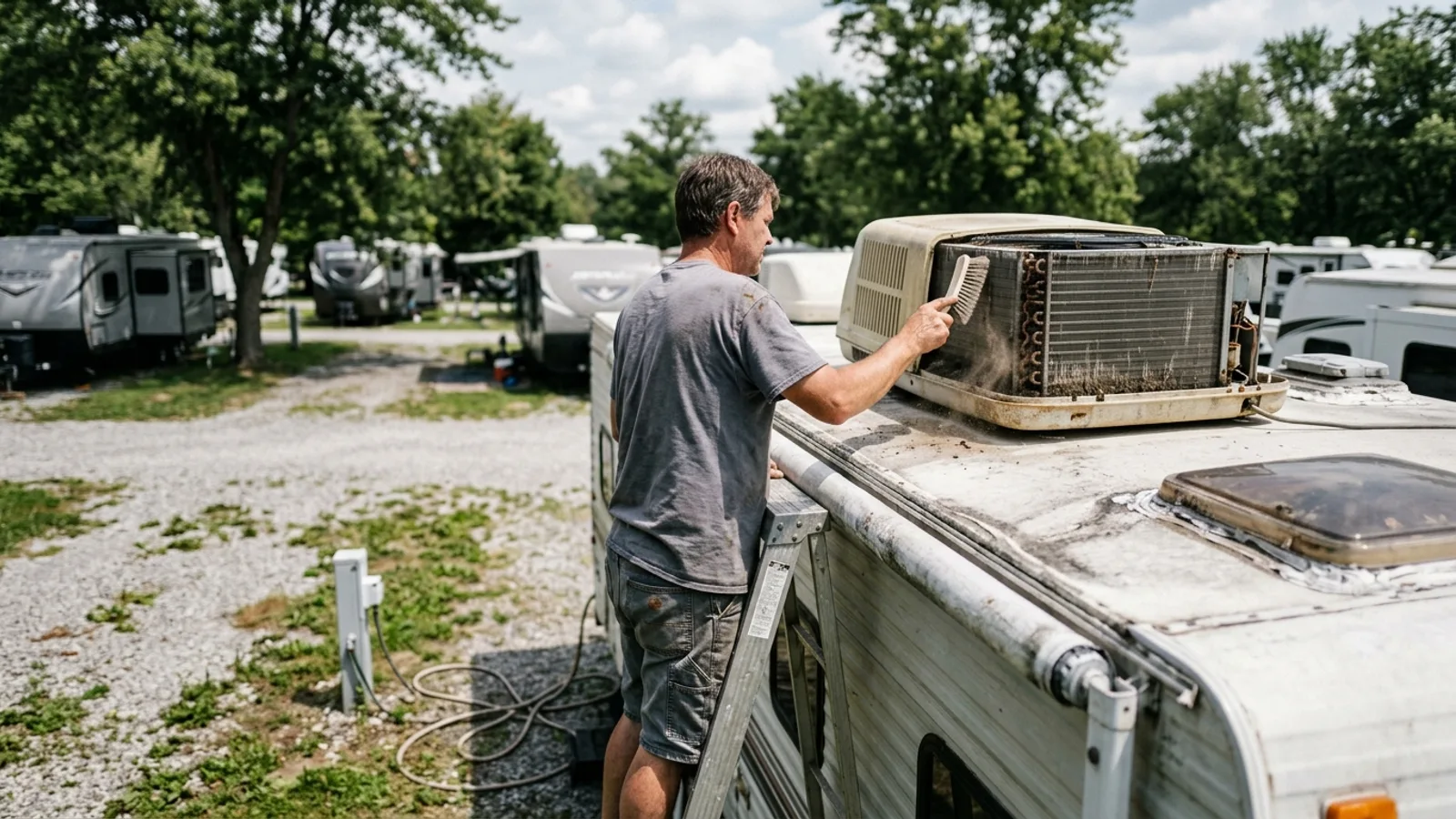
RV air conditioners are sized for average conditions, not for a rig baking in full sun with poor airflow around it. Most complaints about weak cooling trace back to a handful of fixable issues rather than a failing unit. Working through them in order will usually get you the most improvement for the least effort.
Start with the Basics: Airflow and Obstructions
Before assuming something is broken, check the simple things. RV rooftop units need clear space around the intake and exhaust to move air efficiently. Leaves, pine needles, and dust can build up on the exterior shroud and block airflow.
Inside, check that vents and returns aren't blocked by furniture, curtains, or storage bins. Restricted airflow anywhere in the system forces the compressor to work harder and cool less effectively.
If the unit runs but blows warm air, or cycles on and off rapidly, that points to a different problem than simple airflow — often refrigerant, electrical, or a failing component — and is a good time to call an RV technician rather than keep troubleshooting on your own.
Reduce the Heat Load Before It Gets In
An air conditioner cools more effectively when it isn't fighting a constant flood of new heat. The single biggest lever most owners have is where they park.
- Seek shade. Trees, buildings, or other structures that block direct sun on the roof and the side with the most windows make a real difference. Shade patterns shift through the day, so consider where the sun will be in a few hours, not just where it is when you arrive.
- Use awnings and window coverings. Awnings block sun on the windows and door side. Reflective window coverings or foil-faced insulation panels cut radiant heat coming through glass, which is one of the largest sources of heat gain in a parked RV.
- Insulate roof vents. Vent cushions or insulated covers reduce heat transfer through what is otherwise a thin, uninsulated opening in the roof.
- Close blinds and shades on the sun-facing side during the hottest part of the day, even if it means giving up the view temporarily.
Keep Filters and Coils Clean
Air has to move through a filter and across coils to pick up or release heat. When either is dirty, cooling capacity drops noticeably.
Check the return air filter regularly during heavy use, especially in dusty environments. Reusable filters can typically be rinsed with water and allowed to dry completely before reinstalling; disposable filters should be replaced rather than cleaned. Never run the unit with the filter out or with a wet filter reinstalled.
The coils and fins, usually reachable after removing the interior ceiling assembly or the rooftop shroud, also collect dust and debris over time. A soft brush or a vacuum with a brush attachment can clear light buildup. Bent fins restrict airflow and can sometimes be straightened carefully with a fin comb. If you're not comfortable opening the unit yourself, this is reasonable work to leave to a technician during routine service.
Always disconnect power before opening any part of the air conditioner for cleaning.
Make Sure the Unit Is Getting Enough Power
RV air conditioners are sensitive to voltage. Low voltage — common on overloaded campground pedestals, long extension cords, or an undersized generator — can prevent the compressor from running efficiently or cause it to shut down as a protective measure.
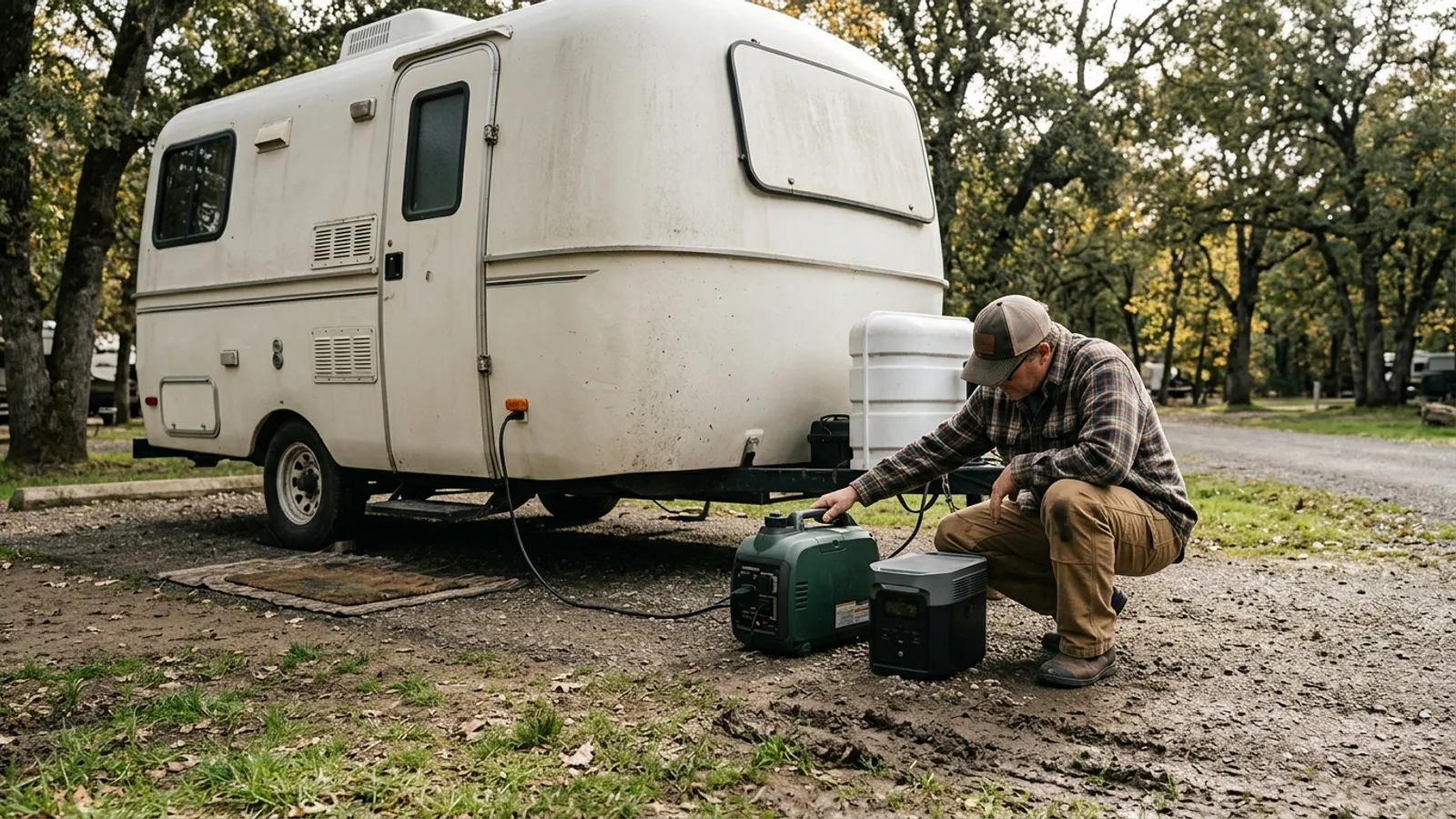
If you're running on a generator, confirm it's rated to handle the startup and running load of the air conditioner along with whatever else is drawn at the same time. If you're plugged into shore power and cooling seems weak only at certain sites or times of day, voltage drop from the campground's electrical system is a reasonable suspect.
A simple voltage meter that plugs into an outlet can tell you whether you're getting adequate voltage at the source. If it's consistently low, running fewer other appliances at the same time, using a heavier gauge and shorter power cord, or moving to a different site or hookup can help.
Help the AC Do Less Work
Small habits reduce the cooling load and let the existing unit keep up more easily:
- Run the air conditioner during the cooler parts of the day and let it get ahead of the heat, rather than waiting until the interior is already hot.
- Use ceiling or portable fans to circulate air — moving air feels cooler and helps distribute the cold air the AC produces more evenly through the space.
- Limit use of ovens, stovetops, and other heat-generating appliances during the hottest hours.
- Crack a roof vent with a vent fan on the shaded side of the RV in the evening to help release trapped heat, then close everything up before running the AC again.
Cooling Down Without Running the AC
There are times you may want to reduce reliance on the air conditioner — to conserve generator fuel, reduce noise, or simply enjoy fresh air. Parking in shade, opening windows on opposite sides of the RV to create a cross breeze, and using fans are the most effective non-mechanical strategies. Screened windows and doors let air move through safely without letting in insects. In dry climates, evaporative cooling methods can also provide relief, though they add humidity and work best when outside air is already fairly dry.
When to Call a Professional
If you've addressed shade, insulation, filters, coil cleanliness, and power supply and the unit still isn't cooling adequately, the issue is likely mechanical or electrical — a refrigerant problem, a failing compressor, or a wiring issue. These aren't safely diagnosed or repaired without proper training and equipment. A qualified RV or HVAC technician can pinpoint the cause and keep the repair from turning into a bigger and more expensive problem.