How Big Do Fifth Wheel Campers Get? A Guide to the Largest Models
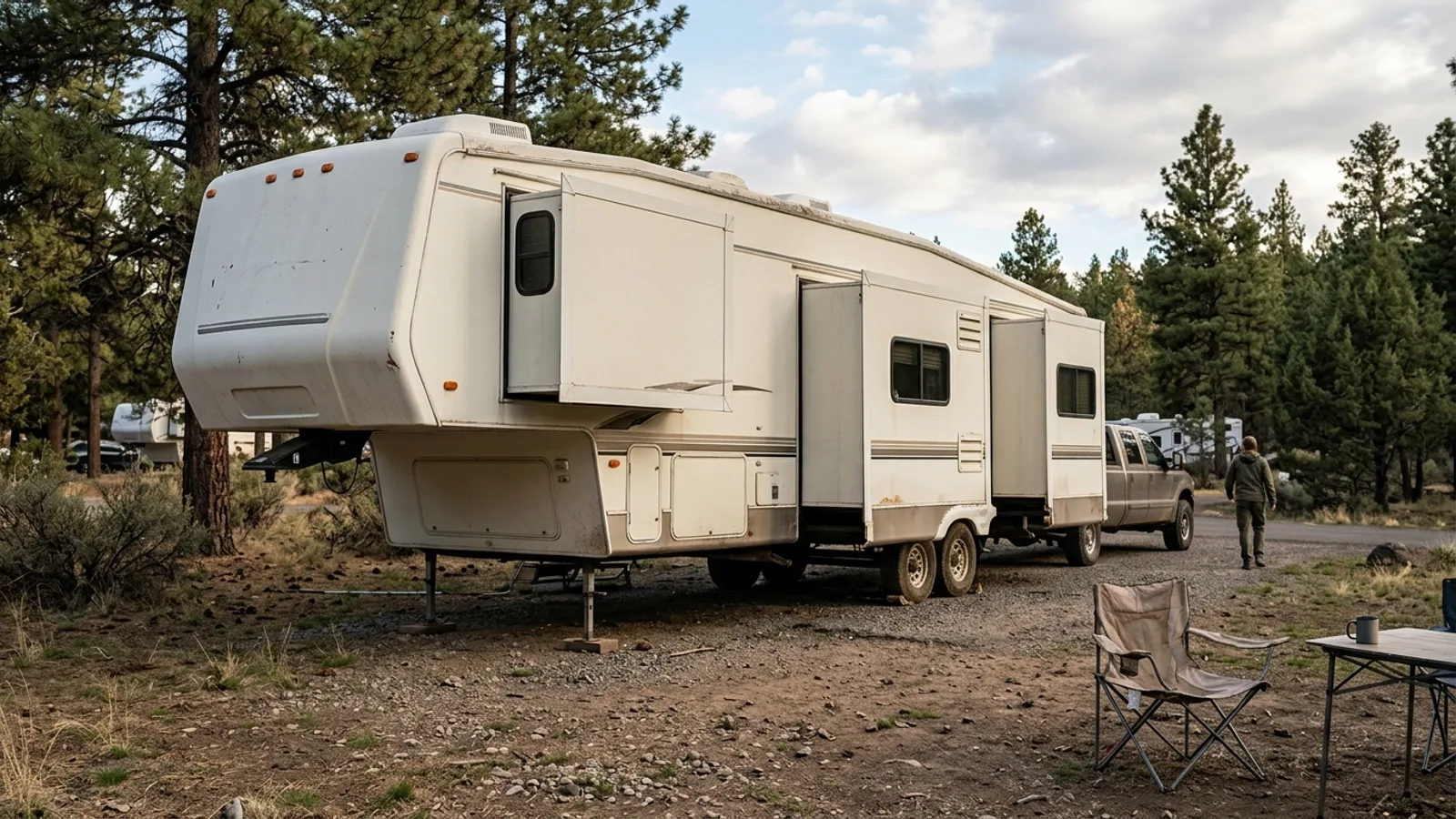
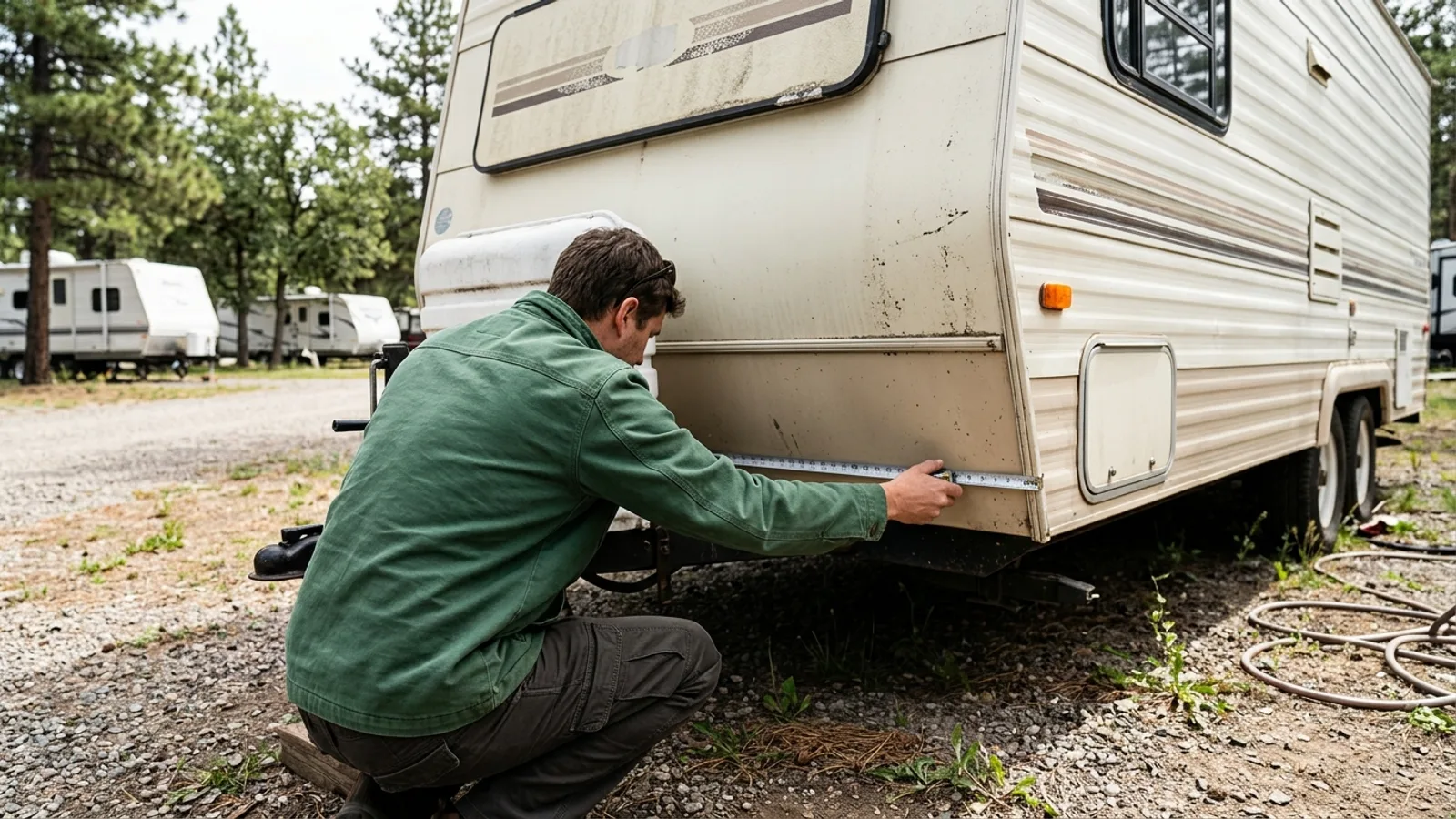
Fifth wheel campers are the largest towable RVs on the market, and the biggest models push well past forty feet in length with triple-digit interior square footage. But "biggest" isn't a single number — it depends on whether you're measuring length, weight, or livable space, and each of those has real consequences for what truck you need and where you can park.
What Counts as a Large Fifth Wheel
Most large fifth wheels fall in a range of roughly 38 to 45 feet in overall length, with dry weights that can run from the mid-teens up past 20,000 pounds. Once you add cargo, water, propane, and gear, the actual weight on the road is often several thousand pounds higher than the manufacturer's dry weight listing.
Length and weight don't always move together. Some longer units are relatively light because they use aluminum framing and lighter cabinetry, while a shorter unit packed with residential appliances, multiple slide-outs, and full-size furniture can weigh more than something several feet longer.
Common Configurations in Large Models
At the upper end of the size range, you'll typically find:
- Multiple slide-outs — three or four is common, which expands the living and sleeping areas dramatically once parked but adds weight and mechanical complexity.
- Residential kitchens — full-size refrigerators, real cabinetry, and often an island or peninsula counter, rather than compact RV-specific appliances.
- Separate bedroom suites — a private front or rear bedroom with a real bed, closet space, and sometimes an attached bathroom.
- Multiple bathrooms — a half bath near the entrance in addition to a full bath in the bedroom suite, useful for larger groups.
- Toy hauler garages — a rear cargo bay with a drop-down ramp door, used to carry motorcycles, ATVs, or golf carts, and often convertible into extra sleeping or living space when empty.
- Washer and dryer hookups or units — increasingly common in larger floor plans, especially for those who camp for extended stretches.
Sleeping Capacity vs. Livable Comfort
Manufacturers list sleeping capacity based on every available berth, including sofa beds, drop-down bunks, and dinette conversions. A camper listed as sleeping eight or nine people will feel very different from one used by a couple or a small family, since fold-out sleeping areas eat into daytime living space.
If you're shopping for a large group, pay closer attention to the number of permanent, dedicated sleeping spaces rather than the total sleeping capacity number. A model with a bunkhouse or a toy hauler garage converted to bunks tends to hold up better for regular use than one relying mainly on convertible furniture.
Towing Considerations for Big Fifth Wheels
The most important number to get right before buying a large fifth wheel isn't the camper's length — it's how it interacts with your tow vehicle. Every truck has a maximum towing capacity and a payload capacity, and a large fifth wheel with its pin weight resting on the truck bed can push right up against or past those limits.
Key things to check before committing to a large model:
- The fully loaded weight of the camper, not just the advertised dry weight.
- Your truck's payload capacity, since fifth wheel pin weight sits directly on the rear axle.
- Whether your truck bed and cab configuration can physically accommodate the hitch and turning radius of a longer camper.
- Local and state weight and towing regulations, which vary and can affect what license or permits are required for heavier combinations.
It's worth having a loaded rig weighed at a certified scale before a long trip. Guessing at weight distribution is one of the more common ways new owners end up overloaded without realizing it.
Where Large Fifth Wheels Fit — and Where They Don't
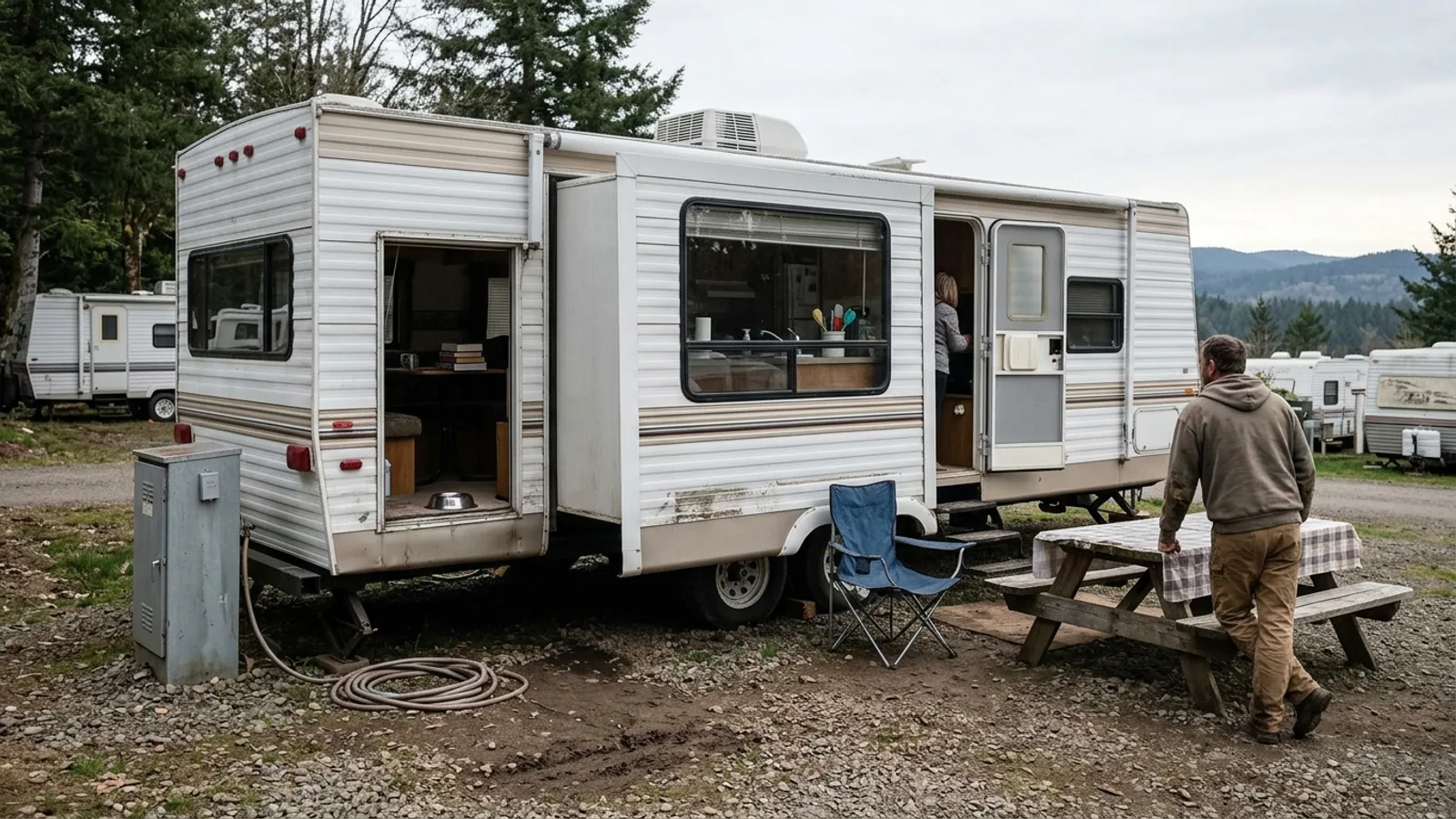
A large fifth wheel offers the most comfort for long stays, seasonal camping, or full-time living, especially in campgrounds with pull-through or large back-in sites and full hookups. They are less practical for:
- Primitive or dispersed camping areas with tight access roads or limited turning space.
- National park campgrounds, many of which have length restrictions well under 40 feet.
- Frequent, short getaways where setup and towing effort outweigh the benefit of extra space.
Before buying based on size alone, think through the kind of camping you actually do most often. A camper that's ideal for a few long stays a year at full-hookup sites may be the wrong tool for spontaneous weekend trips to smaller or more remote campgrounds.
Questions to Ask Before Choosing a Large Model
- What is the fully loaded weight, and does my truck have the payload and towing capacity to handle it safely?
- How many of the listed sleeping spaces are permanent beds versus convertible furniture?
- Do the campgrounds I plan to visit have length limits or site restrictions that would rule this model out?
- Will I use extra features like a toy hauler garage or second bathroom often enough to justify the added length and weight?
Choosing the right size fifth wheel is less about finding the single biggest model available and more about matching size, weight, and layout to your tow vehicle and how you actually plan to camp.