30 Amp RV Outlet Wire Size: A Practical Guide
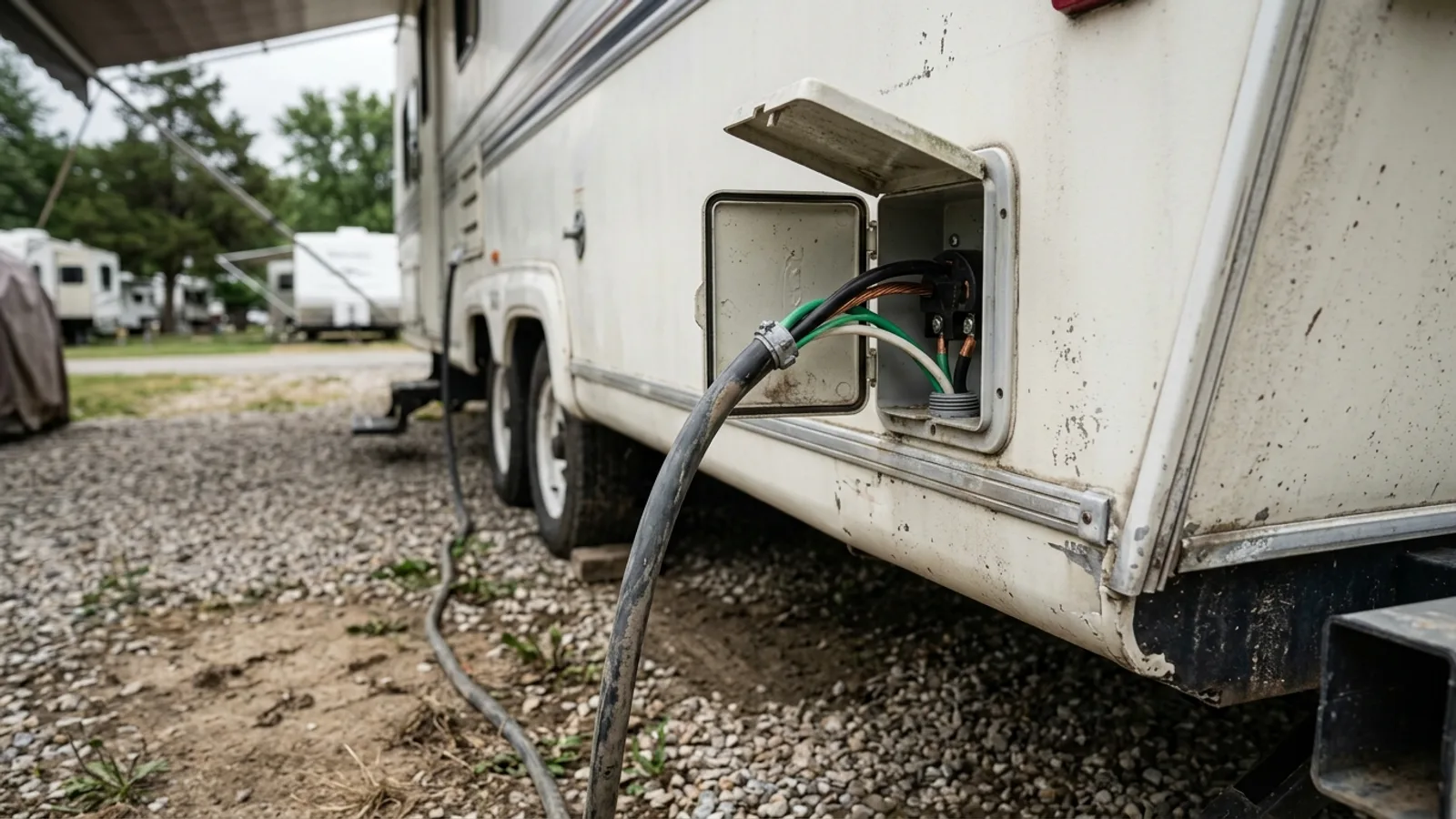
A 30 amp RV outlet needs the right wire gauge to deliver steady power without overheating or losing voltage over distance. Here's what to know before you wire one, plus how to size the run correctly and use it safely once it's installed.
How a 30 Amp RV System Works
A 30 amp RV shore power connection supplies 120 volts through a three-pronged plug: one hot wire, one neutral wire, and one ground wire. At full capacity, this setup can support around 3,600 watts, which is enough for typical RV loads like an air conditioner, a few lights, a refrigerator, and small electronics — but not all of them running at once without care. Inside the RV, a distribution panel divides that incoming power among branch circuits, similar to a household panel. Knowing where this panel is and what it controls helps you diagnose tripped breakers or power issues quickly.
Recommended Wire Size
For a standard 30 amp RV circuit run at typical residential distances, 10-gauge copper wire is the commonly used size. This gauge is rated to carry the current a 30 amp circuit demands without excessive heat buildup under normal conditions. That said, gauge alone isn't the whole story — the length of the wire run and the conditions it passes through matter just as much as the amperage rating.
Distance and Voltage Drop
Electricity loses some voltage as it travels through wire, and the longer the run, the more voltage is lost. This is called voltage drop, and it becomes significant on long circuit runs — for example, feeding a detached garage, a workshop, or a distant RV pad from a main panel. If a run stretches much beyond a typical short residential distance, it's worth sizing up to a heavier gauge than the baseline recommendation, even though the amperage rating hasn't changed. This keeps voltage loss low enough that appliances and electronics receive stable power instead of a slightly diminished, less efficient supply. Temperature also plays a role. Wire run through hot attics, direct sun, or other high-heat environments carries less current safely than the same wire in a cool, shaded location. In hotter conditions, it's common practice to size up as well, since heat increases a wire's resistance and reduces its safe carrying capacity. Because the right choice depends on exact run length, ambient temperature, and local code requirements, it's best to have a licensed electrician confirm the wire size for anything other than a short, straightforward run. They can also verify the installation meets current code, which varies by jurisdiction.
Installing a 30 Amp RV Outlet
If you're having an outlet installed or want to understand the process, here's the general sequence a qualified installer follows:
- Power off first. The circuit is de-energized at the main panel before any wiring begins.
- Outlet placement. The receptacle goes in a weatherproof, accessible box, mounted securely and protected from the elements if it's outdoors.
- Running the wire. Properly sized wire is run through conduit from the panel to the outlet location, protecting it from damage and moisture.
- Making connections. Hot, neutral, and ground wires are connected to their matching terminals on both the breaker and the outlet, following the terminal markings.
- Testing before use. Connections are checked for tightness, and the outlet is tested for correct voltage before it's put into regular use.
This work involves live electrical circuits and code compliance, so unless you're experienced with residential wiring, it's worth hiring a licensed electrician rather than doing it yourself.
Using a 30 Amp Outlet Safely
A few habits go a long way toward keeping a 30 amp RV connection safe and reliable over time:
- Don't unplug under load. Turn off connected appliances, or switch off the RV's main breaker, before disconnecting the shore power cord. Unplugging a live connection can cause arcing that damages the plug and outlet over time.
- Track your total load. Add up the wattage of everything running at once and stay within the circuit's capacity. Running a large air conditioner alongside multiple high-draw appliances can overload the circuit and trip the breaker.
- Inspect cords and connections regularly. Look for discoloration, melted plastic, loose prongs, or a plug that feels unusually warm — all signs of a failing connection that should be addressed before it becomes a hazard.
- Consider surge protection. A dedicated surge protector between the pedestal and your RV can guard against voltage spikes and wiring faults at unfamiliar campgrounds.
- Keep connections dry and clean. Moisture and corrosion at the plug or outlet increase resistance, which generates heat and accelerates wear.
Good habits here protect both your RV's electrical system and the equipment plugged into it, and they reduce the odds of a breaker trip cutting your trip short.