What to Eat Camping: Planning Meals That Actually Work Outdoors
Why Camping Food Planning Is Different
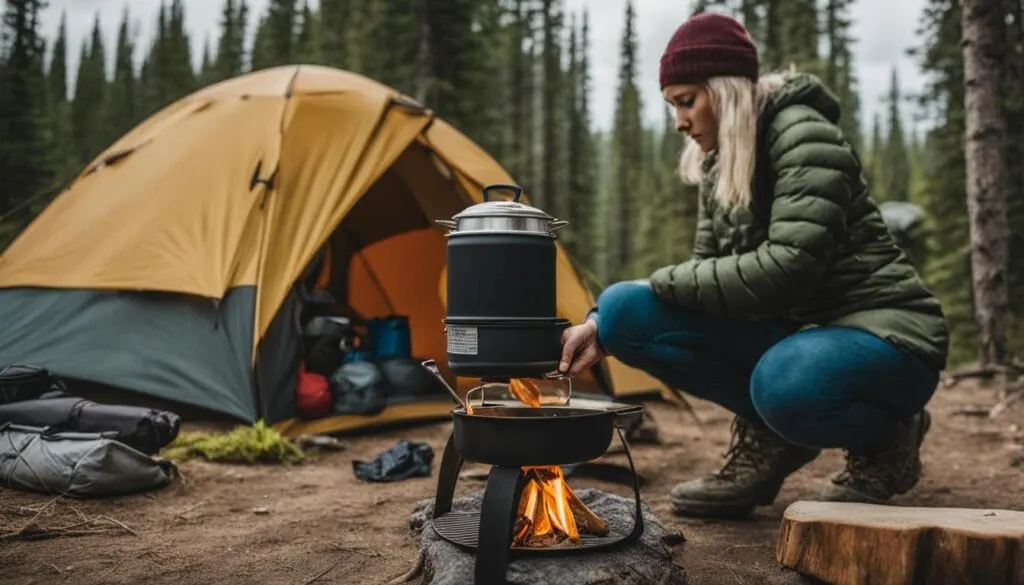
Cooking outdoors comes with limits you don't have at home: less counter space, fewer tools, unpredictable weather, and no refrigerator. Good camp meal planning works around these limits instead of fighting them. The best camping meals tend to use few ingredients, minimal cleanup, and steps that don't fall apart if the wind picks up or it starts raining.
Think in terms of how much prep happens at home versus at the campsite. Chopping vegetables, pre-mixing spices, marinating protein, or portioning dry ingredients into bags before you leave saves time and mess once you're outside. The less you need to do at the campsite, the more you can enjoy it.
Estimating How Much Food to Bring
How much you eat while camping depends on activity level, trip length, climate, and personal appetite. Hiking, paddling, and setting up camp in cold weather all burn more energy than a relaxed weekend at a car-camping site. It's easier to overestimate slightly and bring a bit extra than to run short, especially on multi-day trips where food is your main energy source.
A useful approach is to plan meals and snacks separately, then check that each day includes a mix of carbohydrates for quick energy, protein for muscle repair, and fats for sustained energy, especially in cold weather. Snacking throughout the day, rather than relying on three large meals, often works better for keeping energy steady during physical activity.
If you're camping in a group, it helps to assign meals to different people or nights so no one person is responsible for all the planning and cooking. This also spreads out the gear and ingredients across multiple packs or coolers.
Basic Kitchen Gear for Camp Cooking
You don't need a full kitchen to eat well outdoors, but a few core items make cooking much easier:
- A stove suited to your trip: Compact backpacking stoves work well for solo or lightweight trips, while larger two-burner stoves suit car camping where weight isn't a concern.
- One or two pots: A single pot that can boil water, cook a one-pot meal, and double as a bowl in a pinch will cover most needs on a minimalist trip.
- A knife and cutting surface: Even a small folding knife and a flattened piece of cutting board make food prep faster and safer than working with a fixed-blade tool improvised for the job.
- Reusable utensils and a mug: A spoon-fork combo, a insulated mug, and a bowl cover most eating needs without adding much weight.
- A way to clean up: Biodegradable soap, a small scrubber, and a plan for packing out food scraps and wastewater keep a campsite clean and discourage wildlife visits.
Match your gear to the trip. A short car-camping weekend can support a cooler and full cookware set, while a backpacking trip rewards keeping things minimal and multi-purpose.
Breakfast Ideas
Mornings often mean limited time and cold hands, so breakfasts that need little more than boiling water are popular for a reason.
- Oatmeal or instant porridge: Add dried fruit, nuts, or a spoonful of nut butter for extra staying power.
- Overnight oats: Combine oats with milk, yogurt, or a shelf-stable alternative the night before, so breakfast is ready to eat cold in the morning.
- Eggs and simple fry-ups: A skillet meal with eggs, precooked sausage, or vegetables works well at a car-camping site with a two-burner stove.
- Pancakes: A premixed batter carried in a sealed container or bag simplifies cooking and cleanup.
- Baked goods brought from home: Banana bread, muffins, or granola bars require no cooking at all and travel well.
Lunch Ideas
Camp lunches usually happen mid-activity, so quick, no-fuss options tend to win out over anything requiring a full cooking setup.
- Wraps and rolls: Nut butter with banana, or deli meat with cheese and vegetables, rolled in a tortilla, travels well and needs no utensils.
- Instant noodle cups: Add hot water for a warm meal in minutes; mixing in dried vegetables or a protein packet improves the nutritional balance.
- Pasta or grain salads: Cook a batch at home or the night before, toss with vegetables, protein, and a sturdy dressing, and eat it cold the next day.
- Hearty sandwiches: Fillings with pickled vegetables, herbs, and a flavorful sauce hold up better in a pack than delicate, mayonnaise-heavy fillings.
- No-cook salads in a jar or container: Layer sturdy greens, vegetables, and a protein source, with dressing packed separately to keep things fresh.
Dinner Ideas
Dinner is often the meal where campers want something warm and substantial after a day outdoors. One-pot meals keep cooking and cleanup simple.
- Pasta with a simple sauce: Boil pasta, then stir in a pre-portioned sauce and any precooked protein or vegetables.
- Rice or grain bowls: Cook a grain with dehydrated or fresh vegetables and a protein, finished with a sauce or spice blend packed from home.
- Foil packet meals: Vegetables and protein wrapped in foil and cooked directly on coals or a grate reduce the number of dishes needed.
- Soups and stews: A base of broth with beans, grains, and vegetables is filling, forgiving of imprecise measurements, and easy to stretch for extra servings.
Snacks Worth Packing
Steady snacking helps maintain energy during activity and reduces the temptation to over-rely on any single meal. Good options travel without refrigeration, resist crushing in a pack, and provide a mix of quick and slow-burning energy: trail mix, dried fruit, nut butter packets, hard cheeses, whole fruit like apples or oranges, and energy bars all hold up well across a multi-day trip.
Food Storage and Site Etiquette
Wherever you camp, keep food, trash, and scented items secured away from your sleeping area, and follow any local guidance on food storage, since requirements vary by location and by the wildlife present. Pack out all food waste, including scraps and peels, and clean cookware away from natural water sources to avoid introducing food odors and soap into the environment. Leaving a clean, low-scent site benefits both other campers and local wildlife.