Overlanding Gear Checklist: What to Pack and How to Carry It
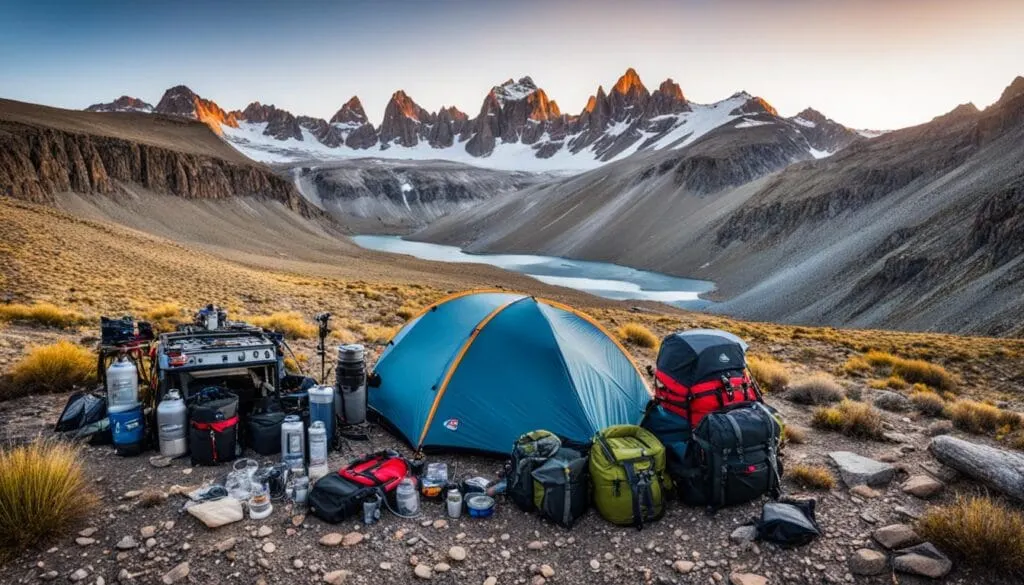
Overlanding means traveling self-sufficiently through areas where help, fuel, and cell service may be far away. The gear you bring should let you handle routine travel, sudden weather changes, and mechanical problems without outside assistance. This guide covers what to pack, why each category matters, and how to organize it all in your vehicle.
Why Packing Strategy Matters
Overlanding differs from car camping in that you may be days from a store, tow service, or hospital. Good packing isn't just about having stuff — it's about having the right things organized so you can find them fast, whether you need a rain jacket or a tourniquet. Think in terms of four goals: self-sufficiency, emergency readiness, adaptability to terrain and weather, and efficient use of space.
Before any trip, research the specific route, elevation changes, water sources, and typical weather for the season. A packing list for a desert route in summer looks very different from one for a forested mountain route in shoulder season.
Navigation
- A GPS unit or app with offline maps downloaded in advance, since cell coverage often disappears in remote areas.
- A paper map of the region as a backup that never runs out of battery.
- A compass, and the basic skill to use it with a map if electronics fail.
Cross-check your planned route against multiple sources before departure — trail conditions and road closures change, and no single map is guaranteed current.
Shelter and Camp Gear
- A tent or rooftop shelter rated for the weather you'll actually encounter, not just fair conditions.
- A sleeping bag rated to a temperature comfortably below the coldest night you expect.
- A sleeping pad for insulation from the ground, which matters as much as the bag rating.
- A camp stove, fuel, and basic cookware.
- Portable seating and a table if you'll be stationary for meals or work.
Emergency and Safety Supplies
- A first aid kit stocked for the length and remoteness of your trip, including supplies for cuts, sprains, and blisters.
- An emergency blanket or bivy for unexpected exposure.
- A flashlight or headlamp with spare batteries, plus a backup light source.
- A whistle and a way to signal for help, since visual and audio signals can work when phones can't.
- A basic understanding of how to treat minor injuries and when a situation requires evacuation rather than self-treatment.
If you're traveling solo, tell someone your planned route and expected return, and check in when you're back in range.
Food, Water, and Cooking
- More water than you think you'll need, plus a way to treat additional water if you're relying on natural sources.
- Airtight, rodent-resistant containers for dry food.
- A cooler or 12-volt fridge for perishables, positioned so it's accessible without unpacking everything else.
- Basic cookware, utensils, and a way to clean up that doesn't contaminate water sources.
Vehicle and Recovery Gear
- A recovery kit appropriate to your vehicle and terrain — straps, shackles, and traction aids for sand or mud.
- A full-size spare tire, a jack rated for your vehicle's weight, and a lug wrench that fits.
- A portable air compressor to adjust tire pressure for changing terrain.
- A basic tool kit covering the fasteners and fluids specific to your vehicle.
- Extra fuel if your route has long stretches without services, carried and stored safely outside the passenger cabin.
Learn the basics of your own vehicle — how to check fluids, change a tire, and reset a tire pressure system — before you're doing it in the field.
How to Organize and Carry Your Gear
Use Vertical Space
Roof racks, interior hooks, and wall-mounted straps let you store bulky or oddly shaped items — chairs, lanterns, recovery boards — without eating into floor space. Keep heavier items low and centered to avoid affecting the vehicle's handling.
Keep Emergency Items Accessible
First aid kits, tools, and lights should never be buried under other gear. Dedicate an easy-to-reach compartment for anything you might need in a hurry, and keep it in the same place every trip so you're not searching under stress.
Protect Fragile Equipment
Cameras, electronics, and optics should ride in padded cases, secured so they don't shift on rough roads. Loose gear becomes a hazard as well as a liability on washboard or rocky terrain.
Consider a Trailer for Larger Trips
An off-road trailer adds dedicated, compartmentalized storage and can free up significant space inside your vehicle. Trailers work well for longer trips, larger groups, or when you're carrying bulky items like extra water, a portable shower, or bigger kitchen setups. The tradeoff is reduced maneuverability on tight trails and one more thing to maintain, so weigh that against how much gear you actually need to carry.
Final Thoughts
There's no single packing list that fits every overlanding trip — the right gear depends on your route, the season, group size, and how remote you're willing to go. Build your list around the categories above, test your setup on shorter trips before committing to longer ones, and adjust based on what you actually use versus what just takes up space.