Camping Food Planning: What to Pack and How to Cook It
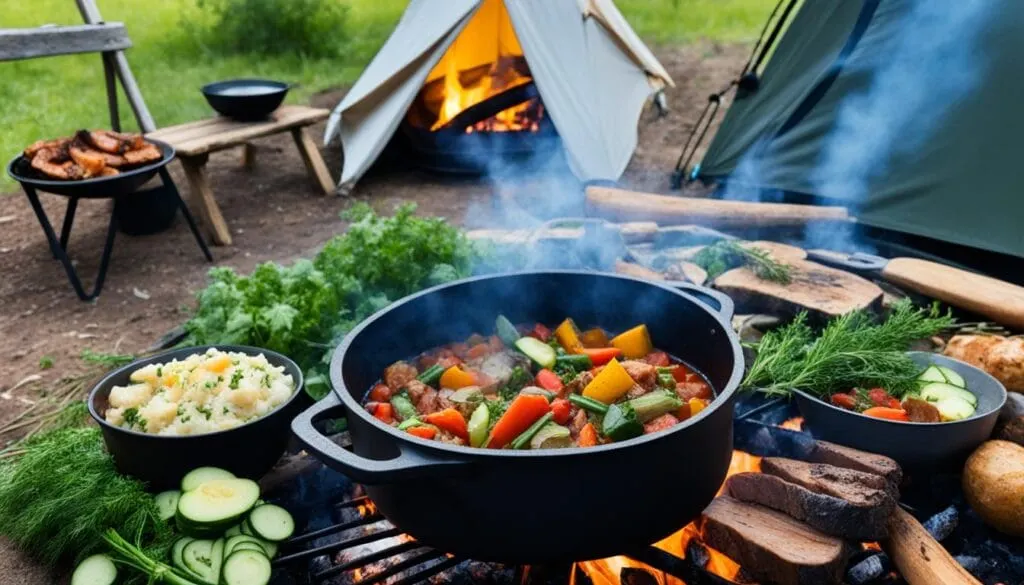
Start With a Plan, Not a Shopping Cart
Camping meals go smoother when you decide on meals first and shop second. Write out each breakfast, lunch, and dinner for the trip, then build a grocery list from that. This avoids both overpacking and the frustrating discovery, two days in, that you have five breakfasts and no dinners.
For short trips, a tight meal-by-meal plan works well: you know exactly what you need and can pack minimal extra weight. For longer trips, it often helps to plan around a set of flexible ingredients rather than fixed recipes, so you can mix and match depending on appetite, weather, and how much energy you have for cooking after a long day.
Ingredients That Do Double Duty
The easiest camping pantry is built from ingredients that work in more than one meal. A few examples:
- Eggs — scrambled, in a breakfast burrito, or mixed into a skillet dinner.
- Tortillas — wraps for lunch, a base for a quick burrito, or a side for a bean-and-rice dinner.
- Cheese — melts into eggs, sandwiches, pasta, and foil packets alike.
- Peanut butter or another shelf-stable nut butter — spreads on bread, stirs into oatmeal, or works as a sauce base.
- Rice, pasta, or instant grains — a filling base for almost any protein and vegetable combination.
- Canned or vacuum-packed protein (beans, tuna, precooked chicken) — no cooler space required and ready to eat.
- Oats or granola — a fast breakfast that needs only hot water or milk.
Choosing ingredients this way means fewer items to track, less waste, and more flexibility if plans change.
Simple Meals That Travel Well
Breakfast
- Breakfast burritos: scrambled eggs, cheese, and any cooked meat or vegetables wrapped in a tortilla. Can be made ahead and reheated in foil over a fire or stove.
- Oatmeal: cooked with water or milk, topped with dried fruit, nuts, or a spoonful of nut butter.
- Pancakes: a griddle or flat skillet works over a camp stove or bed of coals.
Lunch
- Tortilla wraps: deli meat, cheese, and whatever vegetables survived the cooler.
- Grilled cheese: quick in a skillet, needs only bread, butter, and cheese.
- Jarred or container salads: layer sturdier vegetables on the bottom and dressing separately, combine at mealtime.
Dinner
- One-pot pasta: pasta, a protein, and vegetables simmered together in broth until done — minimal cleanup.
- Foil packet meals: vegetables and protein sealed in foil with oil and seasoning, cooked directly on coals or a grill grate.
- Skewers: marinated protein and vegetables threaded on skewers and grilled — good for a group, since everyone can customize their own.
Beyond Food: What Else to Pack
A camp kitchen needs more than ingredients. Plan for:
- A cooler or ice chest sized for the trip length, plus extra ice or ice packs.
- A camp stove, grill, or reliable way to build and maintain a cooking fire.
- Basic cookware: a pot, a skillet, and utensils for cooking and serving.
- Plates, cups, and utensils — reusable ones cut down on trash to pack out.
- Drinking water, separate from water used for cooking or washing.
- A trash and recycling plan, since many camping areas require you to pack out everything.
Packing and Storing Food Safely
Good organization at packing time saves frustration at the campsite:
- Group by type. Keep non-perishables together in a bin or bag, separate from perishables in the cooler. This makes meals faster to assemble and easier to inventory.
- Separate raw protein. Pack raw meat, poultry, and fish in sealed containers or bags, ideally at the bottom of the cooler so juices can't drip onto other food. Use separate cutting boards or surfaces for raw and ready-to-eat food where possible.
- Use resealable, sturdy containers. They resist leaks, keep out moisture and pests, and stack more efficiently than loose bags.
- Keep the cooler cold and shaded. A cooler kept in shade and opened only when needed will hold temperature far longer than one left in direct sun.
- Store food away from sleeping areas overnight. Many parks have specific rules — from bear-resistant containers to designated food storage lockers — because unsecured food can attract wildlife. Always follow the posted guidance for the area you're in, since requirements vary by location and by the animals present.
Sourcing Supplies
Campground stores are convenient for ice, firewood, and last-minute basics, but selection and availability can be limited. For anything specific — particular ingredients, a full grocery list, or supplies for a longer trip — it's more reliable to shop at a supermarket or outfitter before you arrive, and to build in a small buffer of shelf-stable backups in case a meal doesn't go as planned.