Primitive Camping: A Practical Guide to Getting Off the Grid
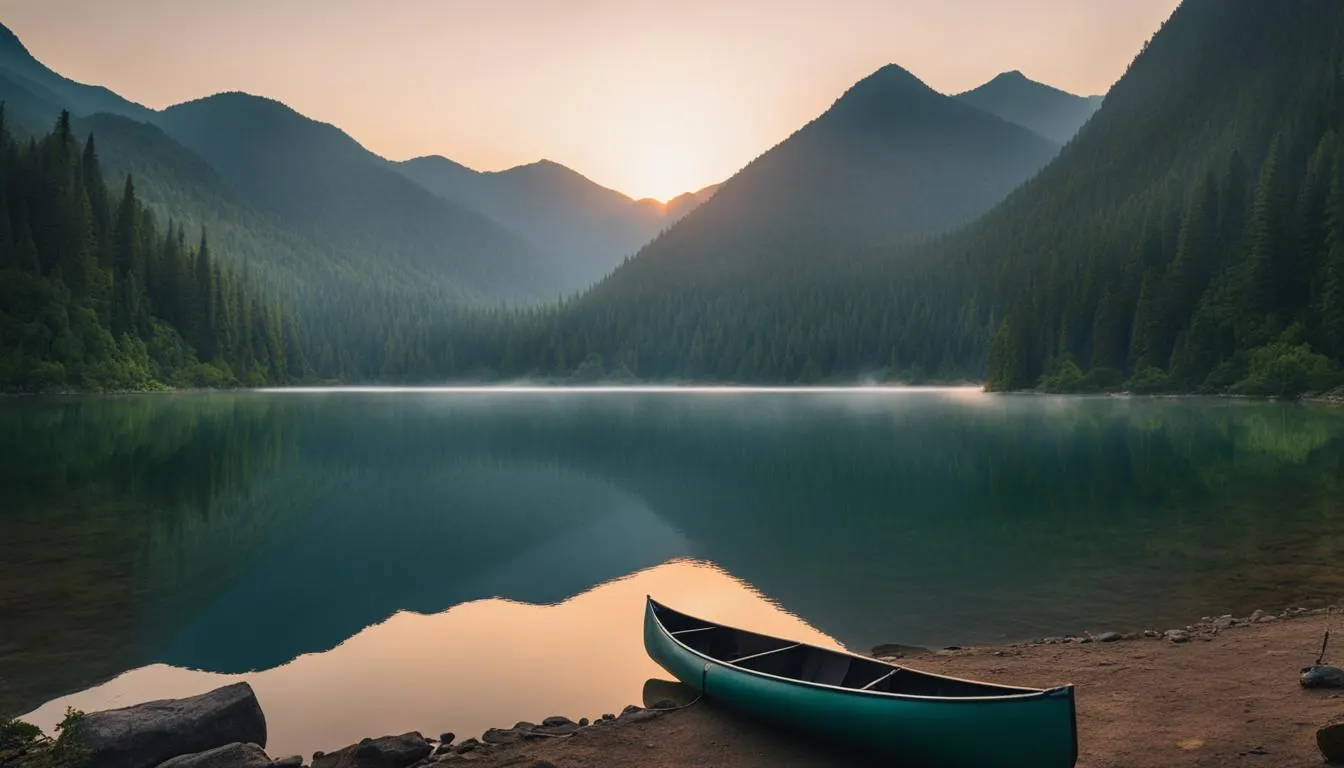
What Is Primitive Camping?
Primitive camping means sleeping somewhere without the amenities of a developed campground: no bathrooms, no potable water spigots, no picnic tables, no marked sites. It can mean a backcountry site reached by trail, a dispersed spot along a forest road, or a walk-in site in a park that has no facilities beyond a clearing and maybe a fire ring.
The defining feature isn't remoteness by itself — some primitive sites are a short walk from a trailhead — but the lack of infrastructure. You bring in what you need and pack out everything you produce.
Weighing the Trade-Offs
The appeal is real: quieter surroundings, more solitude, and access to landscapes that developed campgrounds don't reach. Many primitive sites also cost less than a serviced campground, when there's a fee at all.
The trade-offs are just as real. There's no one nearby to help if something goes wrong, no bathroom, no water source you can count on, and no staff checking on the area. Primitive camping rewards people who are comfortable navigating, treating their own water, and handling minor problems without outside help.
It suits campers who want that independence and are willing to prepare for it. It's a poor fit for a first-ever camping trip, since it removes the safety net that a developed campground provides while you're still learning the basics.
Core Gear for a Primitive Trip
Shelter
Choose a shelter suited to the season and expected weather, and practice pitching it before you're in the field. A shelter you've never set up is a bad thing to be learning at dusk in the wind.
Water
Assume there is no safe drinking water on site. Carry enough for your trip, or plan around a natural water source and treat it — filtering, chemical treatment, or boiling are the standard methods. Know before you go whether a water source will actually be there; many dry up seasonally.
Food and Cooking
Pack food that doesn't need refrigeration and is simple to prepare with minimal water. A compact camp stove is more reliable than counting on being able to build a fire, especially in wet conditions or under a fire restriction.
Store food so it doesn't attract wildlife. In many areas that means a hard-sided container or a properly hung bag well away from your sleeping area; check what's recommended locally, since practices vary by region and by what animals are active there.
Navigation
Bring a physical map and compass as backup to any electronic navigation, and know how to use them. Batteries die and signal disappears exactly when you need it most.
First Aid and Repairs
A basic first aid kit covers cuts, blisters, insect bites, and minor sprains. Add any personal medication. A small repair kit — cordage, tape, a multitool — solves a surprising number of gear failures in the field.
Other Essentials
- Sun protection
- Rain gear appropriate to the season
- A reliable light source with spare batteries or charge
- A sleep system rated for the coldest temperature you might realistically encounter
- A trowel and a plan for human waste disposal
Permits and Reservations
Many areas that allow primitive camping still require a permit, a reservation, or at minimum registration at a trailhead or ranger station. Rules vary widely by land manager — a national park, a national forest, and a state park can all have different requirements even in the same region. Check directly with the managing agency before you go, and confirm current fire restrictions and any group size limits at the same time.
Finding a Site
Public lands managed for multiple uses — many national forests and some Bureau of Land Management areas — often allow dispersed camping outside of designated campgrounds, subject to distance rules from roads, trails, and water. National and state parks are more likely to require you to camp at a specific designated backcountry site that you reserve in advance.
Ask a ranger station or check the land manager's site for maps of areas open to primitive or dispersed camping, seasonal closures, and any local rules about campfires or site selection. Local knowledge changes often enough that it's worth confirming close to your trip date rather than relying on older information.
Leave No Trace Practices
Primitive camping puts more responsibility on the camper to protect the site, since there's no infrastructure absorbing the impact of use. A few practices matter most:
- Camp on durable ground. Bare dirt, rock, or an already-established site does far less damage than trampling vegetation to make a new one.
- Pack out all trash, including food scraps and anything burned but not fully consumed by a fire.
- Handle human waste properly — typically burying it well away from water sources and trails, and packing out toilet paper in areas where burial isn't sufficient.
- Keep fires small and contained, use an existing fire ring where one exists, and make sure a fire is completely out and cold before leaving it.
- Leave natural and historical features as you found them, and keep noise low enough that other campers and wildlife are undisturbed.
Before You Go
Check the weather forecast for the specific area, not just the region, since conditions can shift quickly with elevation. Tell someone your route and expected return time. Review the skills you'll rely on — water treatment, navigation, basic first aid — before you're in a spot where you need them for the first time. The goal is arriving prepared enough that primitive camping feels like freedom rather than improvisation.