Overlanding Gear Checklist: How to Organize Your Vehicle for Extended Travel
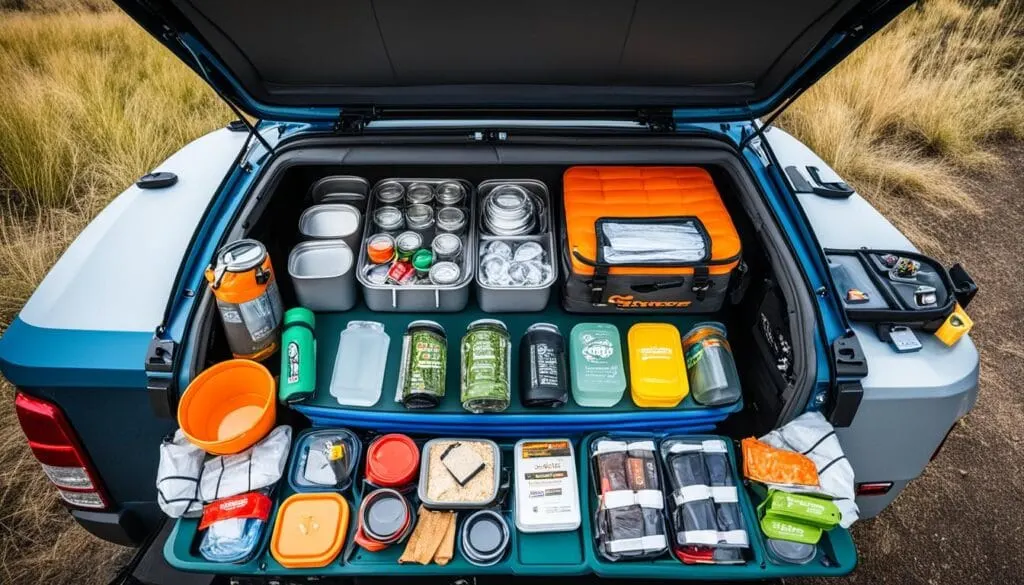
Overlanding means carrying everything you need to camp and travel self-sufficiently, often on rough roads far from services. The biggest difference between a smooth trip and a frustrating one usually comes down to how your gear is organized, not how much of it you have.
Organize by Function, Not by Type
A simple way to keep an overlanding vehicle usable is to split gear into a few clear categories and keep each one in its own labeled bin or drawer. This prevents the common problem of digging through everything you own to find a spoon or a headlamp after dark.
A workable division is: food and dry goods, kitchen and cooking utilities, and camp comfort items (sleeping, seating, shelter). Recovery gear, tools, and safety equipment can form a fourth category, kept separate since it's used less often but needs to be immediately accessible in an emergency.
Whatever system you use, keep the same items in the same place every trip. Muscle memory matters more after a long driving day or in bad weather.
Food and Dry Goods
Shelf-stable food is the backbone of overlanding meals. Grains, dried beans, canned proteins, oils, spices, and coffee all hold up well without refrigeration and give you flexibility to cook a variety of meals with a small footprint.
Pack food in rigid, sealed containers to protect against moisture, pests, and the vibration of rough roads. Repackaging bulk items into smaller containers saves space and reduces trash.
Plan meals loosely around how many days you'll be away from resupply, and always carry some backup food that doesn't require cooking, in case of stove failure or bad weather.
Kitchen and Cooking Setup
A functional camp kitchen needs a reliable stove, fuel, basic pots and pans, and utensils for cooking and eating. Simpler setups are generally more durable and easier to clean in the field than complicated ones.
A cooler or insulated storage box extends what you can bring, but plan around ice or cold-retention time realistically, especially in hot climates.
Cleaning supplies matter more than people expect. Biodegradable soap, a scrub brush, and a way to dispose of greywater responsibly keep campsites clean and reduce the chance of attracting wildlife.
Camp Comfort
After a day of driving on rough terrain, comfortable camp setup makes a real difference. This includes a tent, rooftop shelter, or vehicle sleeping setup, along with sleeping bags or pads rated for the temperatures you expect.
Folding chairs, a table, and simple lighting turn a campsite into a livable space rather than just a parking spot. Layered clothing and extra blankets help you adapt to temperature swings between day and night, which can be significant in many overlanding destinations.
Match your sleep system to the coldest temperature you might realistically encounter, not just the average forecast.
Recovery and Vehicle Support Gear
Overlanding often means driving on surfaces where getting stuck is a real possibility: sand, mud, snow, or loose rock. Traction aids, a shovel, and a means of vehicle recovery (such as a winch or tow strap suited to your vehicle) are standard for this kind of travel.
Basic tools, a tire repair kit, and a way to check and adjust tire pressure are worth carrying even on short trips, since a flat or mechanical issue far from help can turn into the defining event of a trip.
Know how to use your recovery gear before you need it. Practicing at home or in a low-stakes setting is far better than learning during an actual breakdown.
Navigation, Power, and Safety
Cell service is unreliable in much of the terrain overlanders travel through, so carry a physical map or offline navigation as a backup to any GPS device or phone app.
A basic first aid kit suited to the length and remoteness of your trip is essential; know how to use what's in it. Carry more water than you think you'll need, along with a way to treat additional water if you're relying on natural sources.
Portable power sources, such as a battery pack or solar setup, keep communication devices, lights, and navigation tools charged when you're away from an outlet for multiple days.
Before heading into remote areas, tell someone your general route and expected return time. This simple step matters more for overlanding than for most other outdoor activities, since help can be hours away.
Building Your Own List
No single gear list fits every trip. Climate, trip length, group size, and the remoteness of your route all change what you actually need. Start with the categories above, then adjust based on the specific conditions of the places you plan to travel.
Testing your full setup on a short trip close to home is one of the best ways to find gaps before committing to a longer, more remote journey.