How to Stay Cool While Camping in Hot Weather
Choose Your Campsite With Heat in Mind
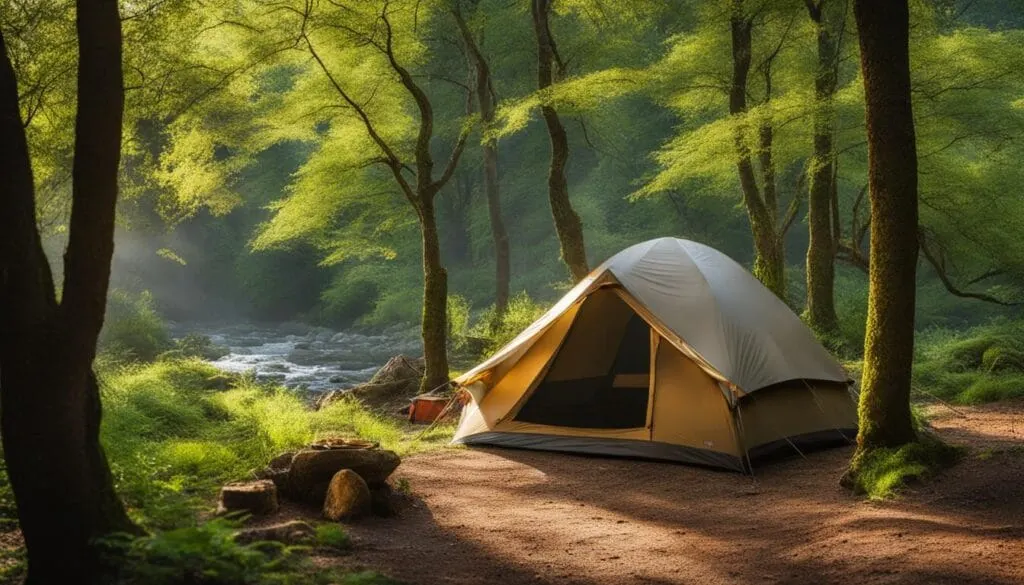
Where you pitch your tent matters more than almost anything else you can do. Look for a spot with afternoon shade from trees, canyon walls, or terrain features, since morning sun is far easier to tolerate than late-day heat. Elevated ground and open areas near water tend to catch more airflow than low-lying hollows or dense thickets, which trap warm, still air.
If you have flexibility in timing, check typical conditions for the season and region before you go, and plan your most exposed hiking or setup tasks for early morning.
Manage Heat Inside the Tent
A tent left fully closed up in direct sun during the day can become far hotter than the air outside. Pitching in shade is the first defense. Beyond that, an external rainfly or a separate tarp rigged above the tent with an air gap can block direct sun while still letting heat escape rather than collecting under a single layer.
If rain isn't expected, removing or venting the rainfly overnight lets warm, moist air escape through the mesh body of the tent. A tent with generous mesh panels, rather than solid fabric, will always breathe better in hot conditions.
During the heat of the day, some campers strike their tent entirely and set it back up in the evening once temperatures drop. This isn't necessary at every site, but it's worth considering if you're stationary for multiple hot days in a row.
Work With the Wind
Orienting your tent door to face the prevailing breeze can noticeably improve airflow through the interior. Scout the site briefly before committing to a spot — open meadows, ridgelines, and shorelines usually have more consistent air movement than sheltered, tree-covered ground.
Just be aware that the same openness that brings a breeze can also mean more exposure to sun and weather, so weigh both factors together.
Stay Hydrated
Drinking water consistently throughout the day matters more than drinking a lot at once. Sweat is your body's main cooling mechanism, and replacing those fluids helps it keep working. Carry enough water for your planned activity and refill whenever you have a safe, reliable source.
Pay attention to early signs of overheating, such as unusual fatigue, dizziness, or headache, and treat them as a signal to rest, hydrate, and cool down rather than pushing through.
Active Cooling Techniques
- Wet cloth or bandana: Soaking a cloth in cool water and draping it on the back of your neck or wrists cools blood near the skin's surface and offers quick relief.
- Rinsing off: A quick rinse with cool water, whether from a camp shower setup or a natural water source, lowers body temperature effectively before bed.
- Portable fans: A small battery or solar fan inside the tent can keep air moving when there's no natural breeze, which makes a real difference on still nights.
Gear Choices That Help
Favor a tent with large mesh panels and a separate rainfly you can remove independently. This gives you the most control over airflow and heat buildup.
For sleep systems, swap a heavy sleeping bag for a lightweight liner, a sheet, or simply an unzipped bag used as a blanket. Trapping less insulation around your body prevents overheating at night.
Choose light-colored, loose-fitting clothing in breathable natural or moisture-wicking fabric. Loose layers allow air to circulate against the skin, while tight or dark, heavy fabric holds heat close to the body. A wide-brimmed hat protects your face and neck and reduces how much direct sun you absorb.
Keeping Food and Drinks Cold
An insulated cooler with a tight-sealing lid will hold temperature far longer than an ordinary container. Pack it efficiently: minimize how often it's opened, keep it in shade, and use frozen water bottles or reusable ice packs, which double as drinking water once they thaw.
Packing perishables at the bottom, surrounded by ice, and keeping drinks you'll access frequently near the top reduces how much cold air escapes each time you open it.
Use Water to Your Advantage
Camping near a lake, river, or creek gives you a built-in way to cool off through swimming, wading, or simply soaking your feet. Natural water sources also tend to keep the surrounding air a little cooler.
If you're camping with young children or prefer not to swim in open water, a small portable basin or inflatable pool at the campsite can serve the same purpose.
Always check for posted advisories about currents, water quality, or wildlife before entering any natural body of water, and supervise children closely near it.
Plan Cooler-Weather Activities
Shift strenuous activities like hiking or setting up camp to the cooler hours of early morning or evening. Reserve the hottest part of the afternoon for shaded, low-effort activities: reading, water play, or simply resting in the shade until temperatures ease.