Beginner's Guide to Overlanding: How to Get Started
What Overlanding Actually Is
Overlanding is self-reliant, vehicle-based travel where the route matters more than the destination. Instead of driving to one spot and setting up camp, you move through remote terrain over days or weeks, carrying everything you need to be comfortable and safe along the way.
It overlaps with off-roading and car camping but isn't quite either. Off-roading is often about the challenge of the trail itself; overlanding is about using capable travel to reach places you couldn't otherwise see, then camping and moving on. Trips can last a weekend or stretch across months and international borders.
Core Principles
- Self-sufficiency: You bring your own fuel, water, food, and shelter, since remote routes often have no services for long stretches.
- Off-road capability: Many overlanding routes include unpaved roads, rough tracks, or unmaintained trails that require a vehicle with adequate clearance and traction.
- Flexibility: Weather, road conditions, and closures change. Being willing to adjust plans is part of the activity, not a failure of it.
- Low impact: Because overlanding depends on access to public and sometimes fragile land, sticking to established routes and following local rules helps keep that access open for everyone.
Choosing and Preparing a Vehicle
Almost any vehicle with four-wheel or all-wheel drive, reasonable ground clearance, and good reliability can work for overlanding. Mid-size SUVs and trucks are common choices because they balance capability with everyday usability, but the "right" vehicle is really the one you can maintain and drive confidently.
Before any trip, go through the basics: tire condition and pressure, brakes, fluid levels, battery health, and lights. A vehicle that's mechanically sound is more important than any add-on equipment.
Common upgrades as people get more serious about the activity include:
- All-terrain or off-road tires suited to the ground you'll actually cover (rock, sand, mud, or a mix).
- Recovery equipment such as traction boards, a shovel, and tow straps rated for your vehicle's weight.
- Auxiliary lighting for driving in low light or setting up camp after dark.
- Roof-top tents or other sleeping setups that keep you off wet or uneven ground.
Modifications should match the terrain you'll realistically drive. It's easy to over-build a vehicle for trails you'll never attempt and end up with less reliability, not more.
Gear to Pack
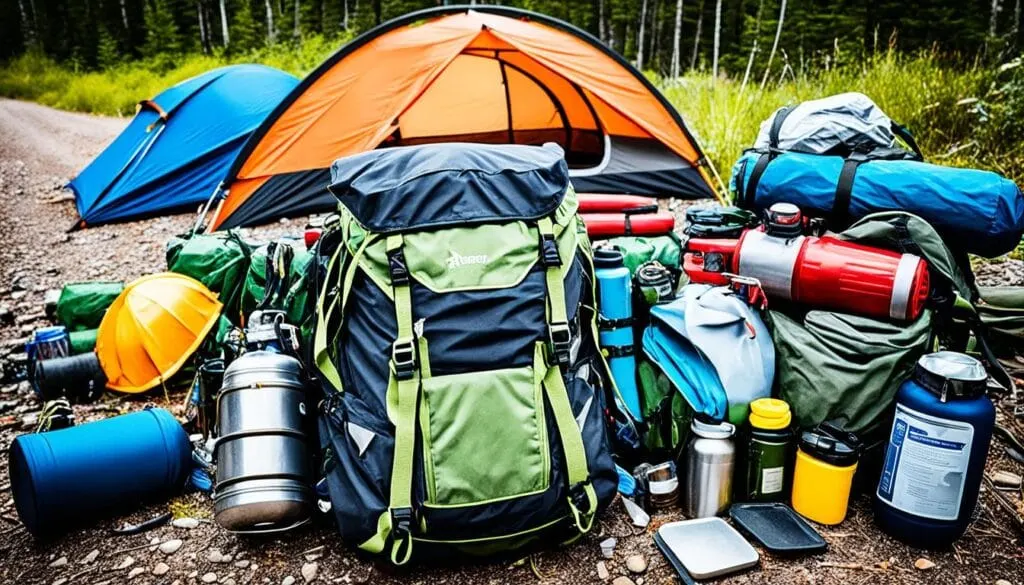
- Shelter and sleep system suited to the season, including a way to stay warm on cold nights.
- Layered clothing for temperature swings between day and night.
- Enough food and water for the trip, plus a reasonable reserve in case of delay.
- Sun protection, insect protection, and rain gear.
- A first aid kit and any personal medication.
- Physical maps as a backup, even if you also carry a GPS device or offline mapping app.
- Basic tools and spare parts for common mechanical issues.
- A way to communicate in areas without cell signal, such as a satellite messenger, for routes that go far from towns.
Researching a Route Before You Go
Look into current road and trail conditions, seasonal weather patterns, and any permits or access restrictions for the area. Public land agencies and park offices are usually the most reliable source for whether a route is open and what condition it's in.
Pay particular attention to water crossings, sections that become impassable when wet, and any areas with fire restrictions or seasonal closures. Building in extra time for detours or slower-than-expected travel is safer than assuming everything will go as planned.
Places to Consider
Overlanding routes exist across the country, from desert plateaus with extensive networks of unpaved roads, to coastal areas accessible only by beach driving, to historic trails that cross public land for long distances. Many national forests, national preserves, and BLM-managed lands allow dispersed camping along established routes, which makes them a natural starting point. Check with the relevant land management agency for current rules on where you can drive and camp before choosing a destination.
Skills Worth Building
Driving
Off-road driving rewards patience over speed. Learn how your vehicle behaves on sand, mud, gravel, and rock, and understand its limits before you push them. Know how to air down tires for soft terrain and air back up before returning to pavement.
Recovery and Problem-Solving
Getting stuck or dealing with a minor mechanical issue is common enough that it should be expected, not treated as an emergency. Learn basic recovery techniques and how to use your recovery gear correctly before you need it in the field, not while you're stuck.
Navigation
GPS devices and phone apps are useful, but signal and battery life aren't guaranteed in remote areas. Carrying a paper map and knowing how to read terrain and landmarks gives you a fallback that doesn't depend on electronics.
Camping
Choose campsites that are already impacted rather than creating new ones, keep a safe distance from water sources, and know how to store food properly if you're in bear country. Practice setting up your shelter and cooking system at home before you rely on them somewhere remote.
Getting Started Without Overcommitting
The most common mistake for new overlanders is buying too much gear before taking a single trip. Start with a short outing close to home on a route you're confident about, see what you actually use, and build your setup from there. Skills and judgment matter more than equipment, and both improve with time on unfamiliar roads.