How RV Generators Work: A Practical Guide to Types, Sizing, and Upkeep
The Basic Principle
An RV generator turns fuel into electricity through combustion. A small engine burns fuel to spin an alternator, and the alternator produces electrical current. That current either charges the RV's house battery, feeds directly into outlets and hardwired appliances, or does both at once, depending on how the system is set up.
Most RV generators use an inverter to smooth out the raw current so it's safe for sensitive electronics like laptops, phones, and TVs. Older or simpler generator designs may produce rougher power, which is fine for basic appliances but can be harder on delicate devices.
Built-In vs. Portable Generators
Built-In Generators
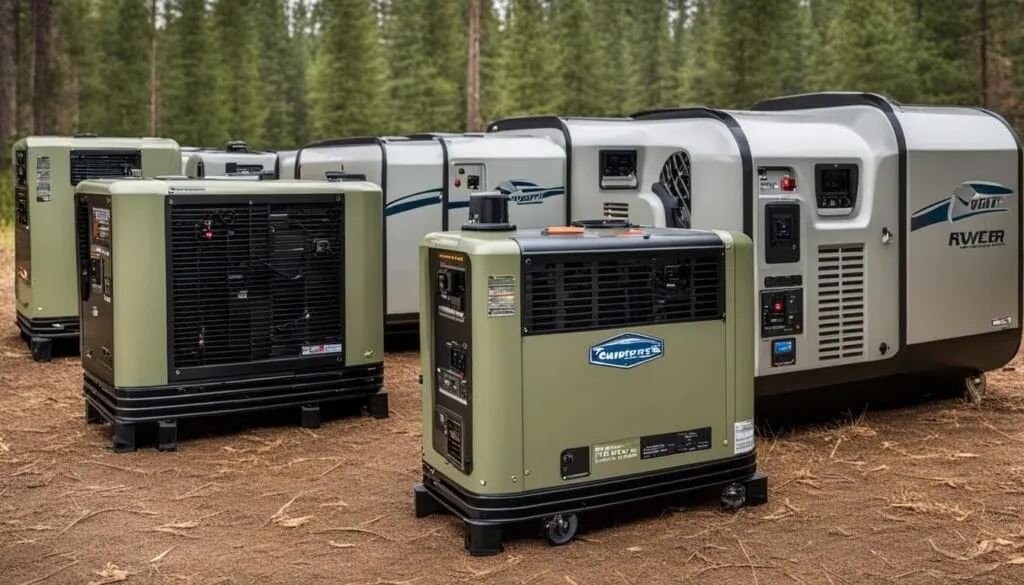
Built-in generators are mounted permanently in the RV, usually in a dedicated compartment, and wired directly into the electrical system. They typically draw fuel from the RV's main tank, so there's nothing extra to carry or fill separately. Starting one is usually as simple as flipping a switch or pressing a button, sometimes even remotely.
Because they're integrated into the vehicle, built-in units tend to offer higher power output, which makes them well suited to larger RVs and to running demanding appliances like rooftop air conditioning. The tradeoff is that installation is a job for a professional, repairs can be more involved, and the generator's weight and space are permanently part of the rig.
Portable Generators
Portable generators are standalone units that sit outside the RV, connected by a power cord. They run on their own fuel supply, need to be started manually, and can be stored away or removed entirely when not needed. Their big advantage is flexibility: the same unit can power a campsite, a job site, or a home during an outage.
The tradeoff is lower maximum output compared to built-in systems, plus the need to store fuel and find a safe, ventilated spot to run the unit away from windows, vents, and neighboring campers.
Choosing the Right Size
Start by adding up the running wattage of everything you'd want to power at once, then check the startup wattage of anything with a motor or compressor, such as an air conditioner or refrigerator, since these draw a brief surge well above their running wattage. Your generator needs enough surge capacity to handle that spike, not just the steady-state load.
As a rough guide, smaller generators are enough for charging devices, running a laptop, a fan, or basic kitchen appliances. Running an air conditioner or multiple large appliances at once calls for a generator with substantially more continuous output. When in doubt, size up rather than down — running a generator near its maximum capacity for long stretches shortens its lifespan.
Fuel Type Tradeoffs
Gasoline generators are simple and fuel is widely available, but gasoline degrades over time if stored and produces more emissions per unit of power.
Diesel generators tend to be more fuel-efficient over long use and pair naturally with diesel-powered RVs that already carry that fuel, though the generators themselves are often costlier to service.
Propane generators burn cleaner and the fuel stores almost indefinitely, which is useful for occasional or emergency use, though propane is less energy-dense so you'll use more of it for the same output.
Noise Considerations
Generator noise matters both for your own comfort and for courtesy to others nearby. Many campgrounds and public lands have quiet hours or noise limits, so it's worth knowing your generator's sound output and running it only when and where it's allowed.
Inverter-style generators and units with built-in sound dampening tend to run quieter than older conventional designs. Placement also matters — running a generator on a hard, reflective surface or near a wall amplifies noise, while more open placement and simple sound barriers can reduce it.
Maintenance and Troubleshooting Basics
Routine maintenance keeps a generator reliable and extends its working life. This generally includes checking oil levels and changing oil on a schedule, cleaning or replacing air and fuel filters, and inspecting spark plugs or equivalent components periodically.
Running a generator occasionally even when it's not strictly needed helps keep seals lubricated and prevents fuel system issues from stagnant fuel. Before a big trip, it's worth doing a test run to catch starting problems, unusual noises, or fuel leaks while you're still near help.
If a generator won't start or loses power unexpectedly, common culprits include old or contaminated fuel, a clogged filter, or a tripped safety switch from overload or low oil. Working through these basics before assuming a major failure can save time and unnecessary repairs.
Safety Notes
Generators produce carbon monoxide, an odorless and dangerous gas. Never run a generator inside an enclosed space, and keep exhaust pointed away from windows, vents, and doors, including those on neighboring vehicles. A working carbon monoxide detector inside the RV is essential whenever a generator is in use.
Keep fuel storage and refueling away from any open flame or hot engine parts, and let a generator cool before refueling it.