How to Choose a Travel Trailer: A Practical Buyer's Guide
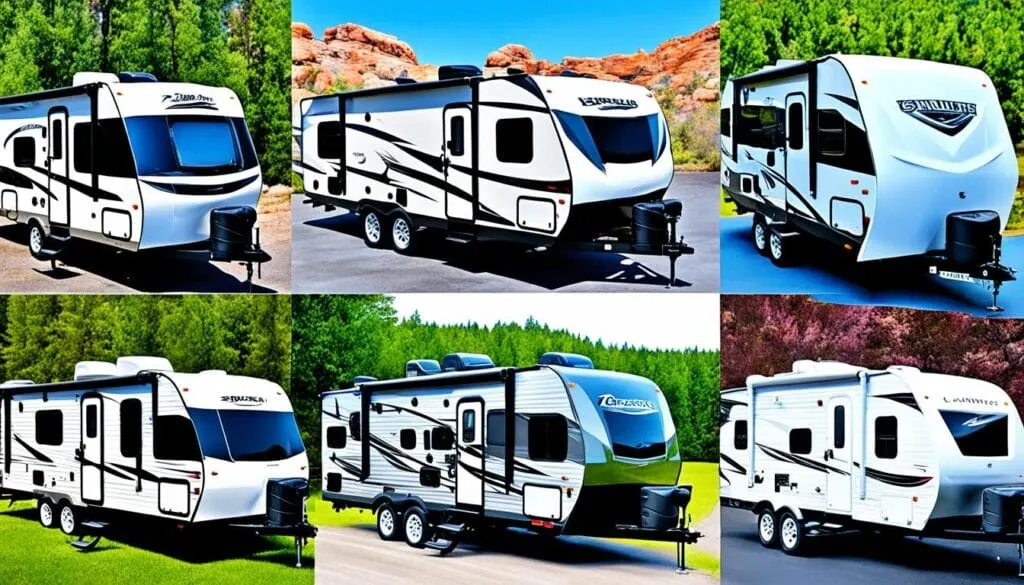
Picking a travel trailer is less about finding the "best brand" and more about matching a trailer's weight, layout, and systems to your tow vehicle and how you actually camp. The following covers the practical factors that hold up regardless of which manufacturer or model year you're looking at.
Match Towing Capacity to Trailer Weight First
Before you fall in love with a floor plan, confirm your tow vehicle can safely handle the trailer. Every vehicle has a maximum towing capacity set by its manufacturer, and every trailer has a weight rating that includes cargo, water, and gear — not just the empty trailer.
Look at the trailer's loaded weight, not just its dry or shipping weight. Once you add water, propane, food, and belongings, a trailer can weigh significantly more than its advertised base figure. A trailer that looks like a comfortable match on paper can exceed your vehicle's real-world capacity once it's packed for a trip.
Pay attention to tongue weight as well as total weight. A mismatch here affects handling and stability, especially at highway speeds or in crosswinds. If you're unsure how to calculate this for your specific vehicle and trailer combination, a trailer hitch installer or your vehicle's owner's manual is a reliable place to start.
Think Through Water and Off-Grid Needs
If you plan to stay mostly in campgrounds with hookups, water tank size matters less. If you want to camp off-grid or in places without utility connections, tank capacity becomes one of the most important specs on the trailer.
Estimate daily water use for your group — cooking, drinking, and basic hygiene — and multiply by the number of nights you'd want to go between refills. Trailers vary widely in how much fresh water they carry, so this is worth checking model to model rather than assuming.
Off-grid comfort also depends on power. Solar panels, larger battery banks, and efficient appliances let you run lights, water pumps, and small electronics without a generator or shore power. If boondocking is a priority, ask specifically about battery capacity and charging options rather than relying on general marketing language.
Consider Where You'll Actually Drive and Park
Trailer length affects more than towing comfort. Mountain roads with switchbacks, narrow forest service roads, and older campground loops can all be difficult or impossible for longer trailers. Many campgrounds also post maximum length restrictions for individual sites.
If you expect to visit a mix of remote, rustic campgrounds and tighter mountain terrain, a shorter, more maneuverable trailer will open up more options. If you'll mostly stay in larger developed campgrounds with pull-through sites, length is less of a constraint.
It's also worth test-driving or at least walking through the process of backing up and parking any trailer you're seriously considering. Comfort with maneuvering matters as much as the spec sheet.
A Practical Checklist Before You Buy
- Sleeping capacity: Does it comfortably fit everyone who will travel with you, including how sleeping areas convert during the day?
- Kitchen setup: Are the stove, fridge, and counter space enough for how you actually cook on the road?
- Bathroom: Check the toilet, shower, and sink for size and usability, particularly in smaller trailers.
- Storage: Look at both interior storage and exterior compartments for gear, tools, and outdoor equipment.
- Insulation and climate control: If you plan to camp in cold or very hot conditions, ask about insulation quality and heating/cooling capacity.
- Electrical system: Confirm battery capacity, available outlets, and whether solar or generator charging is supported.
- Water tanks: Check fresh, gray, and black tank sizes against your typical trip length.
- Towing hardware: Make sure you have the correct hitch, sway control, and brake controller for the trailer's weight class.
- Safety equipment: Look for smoke detectors, carbon monoxide detectors, a fire extinguisher, and a secure, functional door and step.
- Build quality: Inspect seams, seals, and the frame for signs of solid construction, especially on used trailers.
Materials and Construction Approaches
Trailers are generally built with either aluminum-framed construction or molded fiberglass shells, and each has trade-offs. Aluminum-framed trailers tend to be lighter and easier to repair with common materials if damaged. Fiberglass-shelled trailers are often prized for weather resistance and a more seamless exterior, which can reduce leak points over time.
Neither approach is universally "better" — the right choice depends on how you'll use the trailer, your climate, and how you weigh repairability against long-term weather resistance.
Size and Layout Trade-offs
Smaller trailers are easier to tow, store, and maneuver, and they typically work well for solo travelers or couples who prioritize flexibility and access to remote sites. Larger trailers offer more living space and amenities but require a more capable tow vehicle and more careful route planning.
There's no single "right" size — it's a balance between how much space you want inside and how much flexibility you want on the road.
Final Thoughts
The most reliable way to choose a travel trailer is to start with your tow vehicle's real capacity, be honest about how and where you'll camp, and then compare trailers against that specific set of needs. Specs, floor plans, and construction methods matter far more than any brand name, and matching a trailer to your actual travel style will serve you better than chasing a "best overall" label.